
Extend Sofa Lifespan: The Complete Care & Maintenance Guide
Your sofa is one of the most used pieces of furniture in your home. Learn how to protect your investment with proven cleaning routines, fabric care strategies, and preventive maintenance techniques that add years to your couch's life.
Why Sofa Longevity Matters: A quality sofa is a significant investment. Whether you own a leather sectional or a performance fabric sofa, proper care can double its usable life. This guide covers everything from daily habits to deep cleaning and repairs.
Recommended Sofa Care & Protection Products
⚠️ AFFILIATE DISCLOSURE: This website contains affiliate links. As an affiliate Associate, we earn from qualifying purchases. If you make a purchase through these links, we may receive a small commission at no additional cost to you. Read our full affiliate policy.

Couch Cushion Support Board 50 * 50 * 5cm 1pcs Immediately Repair Sagging Sofa Cushions, add Strong Support, and Extend The sofa's lifespan.
Check price on Amazon![LISRRZHEN] 23''x45'' Couch Cushion Support Board, Sofa Cushion Sagging Repair, Extend Sofa Life, Easy to Install, Multiple for All Sofas](https://m.media-amazon.com/images/I/512IycJiQRL._SL500_.jpg)
LISRRZHEN] 23''x45'' Couch Cushion Support Board, Sofa Cushion Sagging Repair, Extend Sofa Life, Easy to Install, Multiple for All Sofas
Check price on Amazon
High Density Bed Board, Under Mattress Support, 47x24in
Check price on Amazon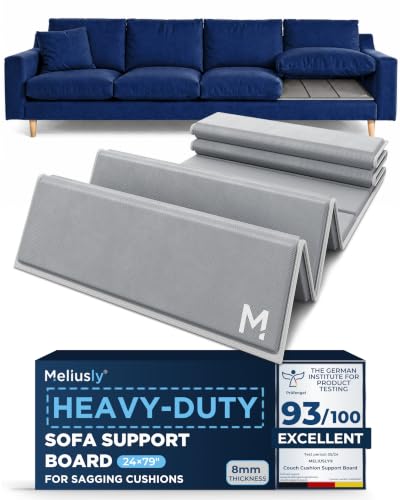
Meliusly Couch Cushion Support Board for Sagging Sofa Cushions (24x79) | Deep Seat Support Under Cushions - Heavy Duty Wood Board for Loveseat & Sectional, for Sagging Couch and Sofa Seats
Check price on Amazon
HZCGJMY 22''x22'' Couch Cushion Support for Sagging Cushions, Sofa Cushion Support to Repair Sagging Seats, Lift Saggy Seats, Extend Couch's Life, Black 3PCS
Check price on Amazon
high Density Sponge Sofa Support Boards 60 * 60 * 5cm 1pcs Immediately Repair Sagging Sofa Cushions, add Strong Support, and Extend The sofa's lifespan.
Check price on Amazon
Furniture seat Support 60 * 60 * 5cm 2pcs Immediately Repair Sagging Sofa Cushions, add Strong Support, and Extend The sofa's lifespan.
Check price on AmazonUnderstanding Your Sofa's Materials
Before you can properly care for your sofa, you need to know what it's made of. Different materials require different maintenance approaches. If you're still researching sofas, our first sofa checklist can help you choose a material that matches your lifestyle.
Fabric Sofas
Fabric upholstery is popular for its comfort and variety. However, fabric durability varies widely. Check the fabric durability ratings (double rub count) to understand how well your sofa's fabric will withstand wear. Performance fabrics are engineered for high-traffic homes and resist stains, fading, and pilling. If you own a fabric sofa, regular fabric sofa cleaning and the use of a fabric protector are essential for longevity.
Leather Sofas
Leather is naturally durable and easy to clean, but it requires conditioning to prevent drying and cracking. Our leather sofa cleaning guide covers the basics, while the leather conditioner guide explains how to keep leather supple. If you're considering leather, faux leather sofas offer a lower-maintenance alternative, though they may not last as long as genuine leather.
Cushion Fillings
The inside of your sofa matters just as much as the outside. Foam cushions provide structured support but can soften over time. Down cushions are luxurious but require frequent fluffing. Memory foam sofas offer pressure relief but need rotation to maintain shape. Understanding your cushion type helps you address sagging and maintain comfort.
Daily & Weekly Habits That Extend Sofa Life
Small, consistent actions make the biggest difference. Here are the habits that protect your sofa every day:
- Rotate cushions weekly: Flip and rotate seat and back cushions to distribute wear evenly. This prevents permanent indentations and extends cushion life.
- Vacuum regularly: Use a soft brush attachment to remove dust, crumbs, and pet hair from crevices and upholstery. This prevents abrasive particles from breaking down fibers.
- Keep out of direct sunlight: UV rays fade and weaken fabric and leather. Use curtains or blinds during peak sun hours, or apply a UV-protective spray.
- Address spills immediately: Blot, don't rub. Rubbing pushes spills deeper into fibers. For specific spills, follow our how to clean sofa fabric guide.
- Use throws and covers: If you have pets or kids, a washable throw protects high-contact areas. This is especially useful for family room sectionals.
- Control humidity: Extreme dryness cracks leather; excess moisture causes mold in fabric. Aim for 40–50% indoor humidity.
Deep Cleaning Schedule by Sofa Type
Beyond weekly upkeep, deep cleaning removes embedded dirt and revitalizes upholstery. The frequency depends on your sofa material and household activity level.
| Sofa Type | Deep Clean Frequency | Key Products |
|---|---|---|
| Fabric (general) | Every 6–12 months | Upholstery shampoo, soft brush |
| Performance Fabric | Every 12 months | Water-based cleaner, microfiber cloth |
| Leather | Every 6–12 months | Leather cleaner, conditioner |
| Faux Leather | Every 6–8 months | Mild soap, damp cloth |
| Microfiber | Every 6–12 months | Alcohol-based cleaner, soft brush |
For a detailed walkthrough, refer to our fabric sofa cleaning and leather sofa cleaning guides. If you own a microfiber sectional with chaise, be especially careful with water-based cleaners—microfiber can water-spot easily.
Protective Treatments: Your Sofa's First Line of Defense
Investing in the right protective products can save you from costly stains and premature aging.
Fabric Protectors
A quality fabric protector creates an invisible barrier against spills and stains. Our fabric protector guide explains how to choose and apply the right product for your upholstery. Reapply every 6–12 months or after deep cleaning.
Leather Conditioners
Leather needs moisture to stay flexible. A good leather conditioner prevents cracking and fading. Apply after cleaning, and buff with a soft cloth. Avoid silicone-based products, which can clog pores.
Cushion Supports
Sagging cushions age a sofa faster than anything else. Consider adding a cushion support board under seat cushions if you notice deep indentations. Rotating and fluffing cushions weekly is the simplest prevention.
Repair & Restoration: When to Fix vs. Replace
Even with the best care, sofas eventually show wear. Knowing when to repair and when to replace can save you money and extend your sofa's useful life.
- Loose joints or squeaks: Tighten bolts and reinforce frame joints with wood glue and screws. This is a simple DIY fix.
- Worn cushions: Replace foam inserts or add a cushion wrap. For down cushions, add a feather insert to restore loft.
- Fabric pilling or fading: If limited to one area, consider reupholstering just that section. For widespread fading, a slipcover can buy time.
- Leather cracks: Minor cracks can be treated with leather filler and conditioner. Extensive cracking may require professional restoration.
- Broken frame: If the frame is cracked or broken, professional repair is usually necessary. Assess the cost against replacement.
If you're considering a replacement, explore our guides to highest rated sofas and editor's choice sofas for long-lasting options. For those who love their current sofa but want an upgrade, high-end sectional sofa brands offer heirloom-quality construction.
Choosing a Sofa That Lasts
Prevention starts at purchase. If you're in the market for a new sofa, prioritize these features for maximum lifespan:
- Hardwood frame: Kiln-dried hardwood frames resist warping and last decades. Avoid particleboard or softwood frames.
- Eight-way hand-tied springs: This traditional suspension system distributes weight evenly and maintains shape.
- High-resilience foam: HR foam retains 90% of its shape after repeated use. Our foam cushion guide explains density ratings.
- Performance fabric: Fabrics with a high double rub count (15,000+) and stain resistance are ideal for busy homes. See fabric durability ratings.
- Modular design: A modular sectional sofa lets you replace individual pieces instead of the whole sofa if one section wears out.
For small spaces, a low-height sectional or narrow console table can optimize your layout without sacrificing quality. If you're furnishing a bedroom, our guides to modern nightstands and nightstands with storage complement a well-designed home.
Sofa Placement & Environmental Factors
Where you place your sofa affects how long it lasts. Consider these environmental factors:
- Avoid direct heat sources: Radiators, fireplaces, and heating vents dry out leather and weaken fabric fibers. Keep at least 12 inches of clearance.
- Use felt pads: If your sofa sits on hardwood, felt pads prevent scratches and make it easier to move for cleaning.
- Control pets: Use a pet-friendly throw or cover. Trim pet nails regularly to prevent punctures, especially on leather.
- Rotate position: If possible, rearrange your living room occasionally to change sun exposure and traffic patterns.
For layout inspiration, explore our living room layouts guide. If you're designing a family space, a family sectional sofa with durable upholstery is a smart choice.
Common Mistakes That Shorten Sofa Life
Even well-meaning owners make mistakes that accelerate wear. Avoid these:
- Using harsh chemicals: Bleach, ammonia, and abrasive cleaners damage fabric and leather. Always test cleaners on a hidden area first.
- Over-wetting fabric: Excessive moisture causes mold and mildew. Use a damp cloth, not a soaking wet one.
- Ignoring cushion rotation: Uneven wear leads to permanent sagging. Set a weekly reminder to rotate and fluff.
- Placing in direct sunlight: UV fading is irreversible. Use UV-protective window film or rearrange furniture.
- Skipping professional cleaning: Some fabrics and leathers require professional care. Know when to call an expert.
Frequently Asked Questions
How long should a sofa last?
A well-made sofa lasts 7–15 years. With excellent care and quality construction, some sofas last 20+ years. Regular maintenance and prompt repairs are key.
Is it worth reupholstering a sofa?
If the frame is solid and the sofa is high-quality, reupholstering costs 50–70% of a new sofa but can extend life by 10+ years. It's often worth it for heirloom or premium pieces.
How often should I clean my sofa?
Vacuum weekly, spot-clean spills immediately, and deep clean every 6–12 months depending on material and use. Leather sofas need conditioning every 6–12 months.
What's the best way to protect a fabric sofa?
Apply a quality fabric protector, use throws in high-traffic areas, vacuum weekly, and clean spills immediately. Rotate cushions to prevent uneven wear.
Can I use a steam cleaner on my sofa?
Steam cleaners work well on many fabrics but can damage leather and some delicate upholstery. Always check your sofa's care tag and test on a hidden area first.
Final Thoughts: A Little Care Goes a Long Way
Extending your sofa's lifespan isn't about expensive products or professional services—it's about consistent, informed care. By understanding your sofa's materials, establishing simple routines, and addressing issues promptly, you can enjoy your sofa for many years. Whether you own a grey velvet sectional, a navy blue leather sectional, or a modern L-shaped sectional, the principles in this guide apply.
Ready to protect your investment? Start with a quality fabric protector or leather conditioner today. Your sofa will thank you.