
Foam Cushion Guide: Types, Density & Buying Tips
Everything you need to know about foam cushions — from polyurethane and memory foam to latex and high-resilience options. Learn how density, ILD, and support factor affect comfort and durability so you can choose the right cushion with confidence.
START LEARNINGWhy This Guide Matters: The foam inside your cushion determines whether your sofa, chair, or bedding feels plush, supportive, or saggy after a few months. Understanding foam specifications — especially density and ILD — empowers you to evaluate quality before you buy, replace worn cushions accurately, and avoid expensive mistakes. This guide breaks down the science and the shopping strategy in plain language.
What Is a Foam Cushion and Why Does It Matter?
A foam cushion is a padded support layer made from expanded polymer materials — most commonly polyurethane foam — that provides comfort, pressure relief, and structural resilience. Foam cushions are found in virtually every piece of upholstered furniture: sofa seats and backs, dining chair pads, mattress toppers, window seats, and even some nightstand with storage that include a padded bench or stool. The quality of the foam directly affects how long a piece of furniture remains comfortable and supportive.
When shoppers research furniture, they often focus on fabric and frame construction while overlooking foam specifications. This is a costly oversight. A beautifully upholstered sofa with low-density foam can feel flat within a year, while a modestly priced piece with high-resilience foam can stay comfortable for a decade. This guide will help you read foam specifications like a professional and make informed decisions whether you are buying new furniture or replacing worn cushions.
The Main Types of Foam Used in Cushions
Not all foam is created equal. The manufacturing process and base chemistry determine how a cushion feels, how much it costs, and how long it lasts. Below are the most common foam types you will encounter.
Polyurethane Foam
The most common and affordable cushion foam. It is versatile, available in a wide range of densities and firmness levels, and can be cut to any shape. Standard polyurethane foam is a solid choice for budget-friendly sofas and chairs, but lower-density versions compress quickly.
High-Resilience (HR) Foam
HR foam is a premium polyurethane variant engineered with a higher rebound rate. It feels springier, resists sagging, and maintains its shape far longer than standard foam. If you want a cushion that feels supportive without being rigid, HR foam is the gold standard.
Memory Foam
Viscoelastic foam that responds to body heat and pressure, contouring to your shape. It excels at pressure relief and is popular in mattress toppers and memory foam sofas. However, it can feel hot and slow to recover, making it less ideal for high-traffic seating.
Latex Foam
Made from natural or synthetic rubber, latex foam is naturally resilient, breathable, and durable. It offers a buoyant, supportive feel and is naturally hypoallergenic. Latex is more expensive but often outlasts polyurethane by several years.
Rebonded Foam
Made from shredded foam scraps bonded together. It is dense, firm, and relatively inexpensive, often used in carpet padding and budget furniture. Rebonded foam lacks the uniform feel of virgin foam and may crumble over time.
Gel-Infused Foam
Polyurethane or memory foam with gel beads or gel layers added to improve airflow and reduce heat retention. Gel-infused foam is common in premium mattresses and cooling cushions, though the cooling benefit varies by design.
Understanding Foam Density and ILD (Indentation Load Deflection)
Two specifications matter most when evaluating foam: density and ILD. Density is measured in pounds per cubic foot (lb/ft³) and indicates how much foam material is packed into a given volume. Higher density generally means greater durability and support. ILD, sometimes called IFD (Indentation Force Deflection), measures firmness — specifically, how much force is required to compress a foam sample by 25%. A higher ILD number means a firmer foam.
It is critical to understand that density and firmness are independent. A high-density foam can be soft, and a low-density foam can be firm. For long-lasting furniture, prioritize density first, then choose ILD based on your comfort preference. The table below summarizes typical density ranges and their applications.
| Density (lb/ft³) | Classification | Typical Use | Expected Lifespan |
|---|---|---|---|
| 1.0 – 1.5 | Low Density | Budget cushions, decorative pillows, temporary seating | 6–12 months |
| 1.6 – 2.4 | Medium Density | Standard sofa cushions, dining chairs, occasional seating | 1–3 years |
| 2.5 – 3.0 | High Density | Quality sofas, daily-use seating, editor's choice sofas | 3–7 years |
| 3.0+ | Very High Density | Premium furniture, commercial seating, luxury cushions | 7–12+ years |
For most residential furniture, aim for a density of at least 2.5 lb/ft³ for seat cushions and 1.8 lb/ft³ for back cushions. If you are replacing cushions on a beloved sofa, choosing a density higher than the original can extend the furniture's life significantly. For more on how foam quality fits into the broader picture of fabric durability and construction, see our guide to fabric durability ratings.
Support Factor and Why It Matters
Support factor, also called compression modulus, is the ratio of the force required to compress foam to 65% of its original height versus 25%. A higher support factor means the foam becomes progressively firmer as it compresses, providing a feeling of deep support without a hard surface. Foam with a support factor below 1.5 may bottom out under weight, while a support factor above 2.0 feels luxurious and resists collapse. When shopping for premium cushions, ask for the support factor — it is a strong indicator of long-term comfort.
Choosing the Right Foam for Different Applications
The ideal foam specification depends on where the cushion will be used and who will use it. Here are practical recommendations for common scenarios.
Sofa Seat Cushions
Look for density of 2.5–3.0 lb/ft³ with an ILD of 30–40 for a balance of comfort and support. HR foam is ideal. If the sofa is used daily by heavier individuals, opt for the higher end of the density range. Our first sofa checklist covers how to evaluate cushions during a showroom visit.
Sofa Back Cushions
Lower density is acceptable here because back cushions bear less weight. A density of 1.8–2.2 lb/ft³ with an ILD of 18–25 provides softness and contour. Many manufacturers use fiber fill or a foam-fiber blend for back cushions to enhance plushness.
Dining Chair Pads
Firmness matters more than thickness for dining chairs. Choose a density of 2.0–2.5 lb/ft³ and an ILD of 35–45 to prevent bottoming out during meals. A thin layer of memory foam on top can add comfort without sacrificing support.
Mattress Toppers and Bedding
Memory foam or gel-infused foam with a density of 3.0–4.0 lb/ft³ is common for toppers. For a supportive yet plush feel, a 2–3 inch topper with an ILD of 12–20 works well. Latex toppers offer a cooler, bouncier alternative.
Outdoor Cushions
Use closed-cell foam or dry-fast foam that resists water absorption. Density of 2.0–2.5 lb/ft³ with an ILD of 25–35 balances comfort and quick drying. Always pair with a water-resistant fabric and consider a fabric protector guide for added longevity.
Window Seats and Benches
A medium-firm foam (2.5 lb/ft³, ILD 30–35) provides comfortable support for reading or lounging. For a bench that doubles as occasional seating, a high-density foam with a soft fiber wrap delivers a tailored look and lasting resilience.
How to Replace Worn Foam Cushions
Replacing foam cushions is one of the most cost-effective ways to revive a sofa or chair. Before ordering, measure the existing cushion insert — not the cover — for length, width, and thickness. If the foam has compressed significantly, add 0.5 inch to the thickness measurement to account for the original loft. Choose a density and ILD based on the recommendations above, and consider adding a polyester fiber wrap or a down alternative layer for a softer surface feel. If your furniture has a down cushion guide, blending foam with down can create a luxurious hybrid.
When cutting foam to size, use an electric carving knife or a sharp serrated blade for clean edges. A spray adhesive can bond multiple foam layers into a single insert. For cushions that need to hold their shape, consider a high-resilience foam core wrapped in softer foam or fiber. This "wrapped core" construction is common in high-end furniture and delivers both support and plushness.
If you are replacing cushions on a leather sofa, take extra care to match the firmness of the original foam. Leather tends to stretch, and overly soft foam can accelerate sagging. Our leather sofa cleaning guide includes tips on maintaining cushion shape alongside leather care. For fabric sofas, regular cleaning and rotation of cushions can extend foam life; see fabric sofa cleaning for a step-by-step routine.
Maximizing Foam Cushion Durability
Even the best foam will degrade over time, but proper care can add years to its life. Rotate and flip reversible cushions monthly to distribute weight evenly. Keep cushions out of direct sunlight, which can break down foam polymers. Use a fabric protector on the cover to prevent spills from reaching the foam. If the foam gets wet, dry it thoroughly in a well-ventilated area — trapped moisture can cause mold and deterioration.
For sofas in high-use family rooms, consider a family room sectional with replaceable cushion cores. Some manufacturers offer replacement foam inserts, which is far cheaper than replacing the entire sofa. If you are shopping for a new sofa and want to prioritize foam quality, our guide to highest rated sofas highlights models praised for long-lasting comfort. You can also explore how to extend sofa lifespan for broader maintenance strategies.
Foam Cushion Buying Tips: What to Look For
When shopping for foam cushions or foam-filled furniture, keep these practical tips in mind. First, always ask for the foam density and ILD — reputable manufacturers and retailers will provide these specifications. Second, press down on the cushion with your palm and release; it should recover quickly without leaving a deep indentation. Third, check for a support factor or compression modulus rating if available. Fourth, consider the weight of the primary users; heavier individuals need higher-density foam to avoid bottoming out. Finally, read reviews that mention long-term comfort, not just initial feel.
If you are buying online, look for sellers that disclose foam specs and offer samples. For sofa cushions, a density of 2.5 lb/ft³ or higher is a reliable indicator of quality. For decorative cushions, density matters less, but a firm, well-filled cushion will maintain its shape better. If you are furnishing a living room, our living room layouts guide can help you plan seating arrangements that maximize comfort and flow.
Frequently Asked Questions About Foam Cushions
What is the best foam density for sofa cushions?
For daily-use sofa seat cushions, aim for a density of 2.5 to 3.0 lb/ft³. This range offers a good balance of comfort, support, and durability. Back cushions can be lower, around 1.8 to 2.2 lb/ft³, because they bear less weight.
What does ILD mean in foam?
ILD stands for Indentation Load Deflection. It measures firmness by indicating how much force is needed to compress foam by 25%. A higher ILD means a firmer foam. Typical seating foam ranges from 20 to 45 ILD.
How long do foam cushions last?
Lifespan depends on density and use. Low-density foam may last 6 to 12 months in daily seating, medium-density 1 to 3 years, and high-density 3 to 7 years or more. HR foam and latex can last even longer with proper care.
Can I replace foam in my sofa cushions?
Yes. Measure the existing foam insert, choose a replacement with the desired density and ILD, and cut to size. Many upholstery shops and online suppliers sell custom-cut foam. It is a cost-effective way to restore comfort without buying new furniture.
Is memory foam good for sofa cushions?
Memory foam excels at pressure relief but can feel hot and slow to recover, making it less ideal for frequently used seating. It is better suited for mattress toppers and occasional-use chairs. For sofas, HR foam or a memory foam top layer over a supportive core is a better choice.
Recommended Foam Cushions & Cushion Replacements
⚠️ AFFILIATE DISCLOSURE: This website contains affiliate links. As an affiliate Associate, we earn from qualifying purchases. If you make a purchase through these links, we may receive a small commission at no additional cost to you. Read our full affiliate policy.
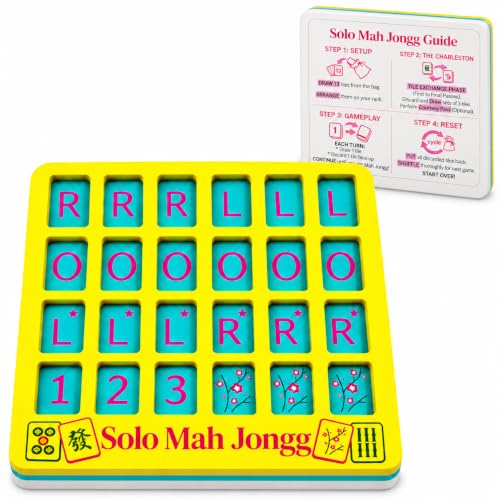
Solo Mahjong Board, Floating EVA with 24 Slots and Backside Guide | Resilient foam cushions everyday drops. Deep slots, Charleston direction markings and instructions printed on the back.
Check price on Amazon
NGT new guide steps Yoga Bolster Pillow for Meditation and Support - Rectangular Yoga Cushion Foam Wedges Washable Suede Pillowcase for Men and Women with Carry Handles.(Grey Soft fabric)
Check price on Amazon
NGT new guide steps Yoga Bolster Pillow for Meditation and Support - Rectangular Yoga Cushion Foam Wedges Washable Suede Pillowcase for Men and Women with Carry Handles.(Green Soft fabric)
Check price on Amazon
Coastwide Professional Comfort Grip 2-Inch Packing Tape Dispenser, Gray — Non‑Stick Tape Guide, Cushioned Foam Handle, Fits 2” Rolls up to 110 Yards, Heavy‑Duty
Check price on Amazon
Guide Gear Tree Stand Replacement Seat Cushion; Pad for Hunting, Camo RT APX
Check price on Amazon
NGT new guide steps Yoga Bolster Pillow for Meditation and Support - Rectangular Yoga Cushion Foam Wedges Washable Suede Pillowcase for Men and Women with Carry Handles(Blue)
Check price on Amazon
NGT new guide steps Yoga Bolster Pillow for Meditation and Support - Rectangular Yoga Cushion Foam Wedges Washable Suede Pillowcase for Men and Women with Carry Handles (Purple)
Check price on Amazon
36 PCS Foam Pencil Grips, 12 Assorted Colors (3 of Each) Comfortable Writing Aid Cushion Holders for All, Relieves Hand Fatigue, Universal Fit for Better Handwriting
Check price on AmazonFinal Thoughts: Buy Foam Cushions with Confidence
Foam cushions are the unsung heroes of comfortable furniture. By understanding density, ILD, support factor, and the strengths of each foam type, you can evaluate quality at a glance and choose cushions that will stay comfortable for years. Whether you are replacing worn sofa cushions, upgrading a window seat, or buying new furniture, prioritize high-density or high-resilience foam for seat cushions and match firmness to the intended use. With this guide, you are equipped to make a purchase decision that balances comfort, durability, and value.
Ready to explore specific furniture styles? Browse our guides to modern nightstands, luxury nightstands, and metal nightstands to see how quality materials and cushioning come together in complete bedroom and living room setups.