
Nightstand Wall Anchors: The Complete Safety & Installation Guide
Everything you need to know about anti-tip straps, wall anchor types, and securing your bedside furniture for a safer bedroom.
EXPLORE ANCHOR TYPESWhy Wall Anchors Matter: A nightstand may seem stable, but an open drawer can shift its center of gravity dramatically. According to safety organizations, furniture tip-overs send thousands of people to emergency rooms each year. A simple wall anchor is one of the cheapest and most effective safety upgrades you can make in your bedroom. This guide covers everything from anchor types to installation steps, so you can secure your nightstand with confidence.
Why Your Nightstand Needs a Wall Anchor
A nightstand is one of the most frequently used pieces of furniture in the home. You lean on it, pull open drawers, and reach across it in the dark. Each of these actions places lateral force on the unit. When a drawer is fully extended, the nightstand's center of gravity shifts forward, and a surprisingly small amount of weight on the open drawer can cause the entire unit to tip forward. This risk is even greater in homes with children, pets, or in earthquake-prone regions.
Wall anchors — also called anti-tip straps, furniture straps, or tip-over restraints — are designed to tether the nightstand to the wall stud behind it. They are inexpensive, widely available, and typically take less than 15 minutes to install. If you are still in the process of choosing a nightstand, our shopping and reviews hub can help you identify models that come with anchoring hardware included. For a broader overview of bedside safety and setup, see the setup & accessories hub.
It is worth noting that while anchoring is critical for any nightstand, it becomes non-negotiable for certain designs. Tall, narrow nightstands — such as those featured in our tall nightstands guide — have a higher center of gravity and tip more easily. Similarly, lightweight units made from engineered wood or acrylic may need anchoring even more than solid, heavy pieces.
Types of Nightstand Wall Anchors
Not all wall anchors are the same. The right choice depends on your wall material (drywall, plaster, brick, or concrete), the weight of your nightstand, and whether you want a permanent or removable solution. Below is a breakdown of the most common options.
| Anchor Type | Best For | Weight Capacity | Installation Difficulty | Removable? |
|---|---|---|---|---|
| Nylon Toggle Anchor | Drywall with no stud access | Up to 50 lbs per anchor | Moderate | No |
| Steel Toggle Bolt | Heavy nightstands, drywall | Up to 100+ lbs per anchor | Moderate | No |
| Self-Drilling Drywall Anchor | Lightweight nightstands | Up to 30 lbs per anchor | Easy | No |
| Lag Bolt into Stud | Maximum security, stud available | 200+ lbs per anchor | Moderate | Yes (with patching) |
| Adhesive Anti-Tip Strap | Renters, temporary setups | Up to 40 lbs per strap | Very Easy | Yes |
| Concrete Anchor (Sleeve) | Brick, concrete, or stone walls | 100+ lbs per anchor | Moderate | No |
Nylon Toggle Anchors
These are the most common anchors included with furniture anti-tip kits. They consist of a nylon wings that expand behind the drywall. They are reliable for most residential nightstands and are a good general-purpose choice. If your nightstand is particularly heavy or you plan to store dense items in its drawers, consider upgrading to a steel toggle bolt.
Steel Toggle Bolts
Steel toggle bolts offer significantly higher load capacity than nylon versions. They are ideal for heavier nightstands, especially those with multiple drawers. The trade-off is that they require a slightly larger hole and are not removable once installed. If you are anchoring a combination storage nightstand that holds books, electronics, or other heavy items, steel toggles are a smart choice.
Lag Bolts into Studs
If you can locate a wall stud behind your nightstand, a lag bolt driven directly into the stud is the gold standard for safety. It is the strongest option available and is what professional installers typically use. The downside is that studs are not always where you need them, and patching the hole later requires some drywall repair. For a detailed look at the hardware involved, our nightstand screw types guide explains the differences between lag bolts, wood screws, and machine screws.
Adhesive Anti-Tip Straps
Adhesive straps use industrial-grade adhesive on both the wall side and the furniture side. They are popular with renters because they leave no holes. However, their holding strength depends heavily on surface preparation and cure time. They are best suited to lightweight nightstands and should not be used as the sole anchor for a heavy unit. Always check the manufacturer's weight rating before relying on an adhesive-only solution.
Anti-Tip Straps vs. Traditional Wall Anchors
There are two main approaches to securing a nightstand: traditional wall anchors (which attach directly to the wall) and anti-tip straps (which create a flexible tether between the furniture and the wall). Both are effective, but they suit different situations.
Anti-Tip Straps: Pros
- Flexible — allows slight furniture movement
- Easier to install than toggle bolts
- Often included with new nightstands
- Can be used on uneven walls
- Less likely to crack drywall during an earthquake
Anti-Tip Straps: Cons
- Lower weight capacity than lag bolts
- Strap can degrade over time
- Not suitable for very heavy nightstands
- May need periodic re-tightening
Traditional Anchors: Pros
- Higher load capacity
- Very secure when installed correctly
- No strap to wear out
- Best for heavy or tall nightstands
Traditional Anchors: Cons
- Requires precise drilling
- Harder to remove and patch
- Less forgiving if the wall is uneven
- May not be renter-friendly
For most bedrooms, a hybrid approach works best: use the anti-tip strap that came with your nightstand, and if the unit is tall or heavy, reinforce it with a lag bolt into a stud. If you are anchoring a floating nightstand, the mounting system itself often serves as the anchor, but you should still verify that it is rated for the weight you plan to place on it. For floor-standing units, the anti-tip straps page covers the specific products and ratings in more detail.
Step-by-Step Installation Guide
Installing a wall anchor is a straightforward DIY project. You will need a drill, a stud finder (optional but recommended), a pencil, a level, and the anchor kit itself. If you are assembling a new nightstand at the same time, our nightstand assembly guide can help you sequence the steps correctly.
- Locate the wall stud (if possible). Use a stud finder to identify the nearest stud behind your nightstand. Anchoring into a stud is always preferable. If no stud is available, choose a toggle anchor rated for at least twice the weight of your nightstand.
- Position the nightstand. Place the nightstand exactly where you want it. Mark the wall at the height where the anchor will attach. Most anti-tip straps attach to the back of the nightstand near the top.
- Attach the furniture bracket. Screw the furniture-side bracket or strap to the back of the nightstand using the provided screws. Make sure it is centered and secure.
- Drill the wall hole. If using a toggle anchor, drill a hole slightly larger than the anchor's diameter. If using a lag bolt into a stud, drill a pilot hole about half the diameter of the bolt.
- Install the wall anchor. Insert the toggle anchor or lag bolt and tighten it until it is flush with the wall. Do not overtighten, as this can damage drywall.
- Connect the strap. Pull the strap or cable from the furniture bracket to the wall anchor and secure it according to the manufacturer's instructions. Leave a small amount of slack if you want to be able to move the nightstand slightly for cleaning.
- Test the anchor. Gently pull the nightstand forward. It should stop after a small amount of movement. If it feels loose, tighten the connection. If you are unsure about the installation, consult a professional handyman.
If your nightstand has adjustable feet or needs to be leveled after installation, see our nightstand leveling guide. A level nightstand is less likely to wobble and put uneven stress on the anchor. For nightstands with drawers that stick or slide unevenly, the nightstand drawer repair guide can help you address those issues before anchoring.
Choosing the Right Anchor for Your Wall Type
The wall behind your nightstand determines which anchor will work best. Here is a quick guide to matching anchor to wall material.
Drywall
Standard drywall is the most common wall material in modern homes, but it has very little holding strength on its own. Never screw directly into drywall without an anchor. Use a toggle bolt or a self-drilling drywall anchor rated for the weight of your nightstand. If you can hit a stud, do so — it is always the better option. For more on hardware selection, see the nightstand screw types page.
Plaster and Lath
Older homes often have plaster walls over wood lath. These walls are denser than drywall but can crack easily. Use a carbide-tipped drill bit and a toggle anchor designed for plaster. Avoid self-drilling anchors, which can crack the plaster surface.
Brick, Concrete, and Stone
Masonry walls require a hammer drill and a sleeve anchor or wedge anchor. These anchors expand against the masonry and provide excellent holding strength. Do not use drywall anchors in masonry — they will not hold. If you are anchoring a nightstand in a basement or a room with exposed brick, a concrete sleeve anchor is the right choice.
Wall Paneling and Shiplap
Decorative wall paneling may not be structural. Always anchor through the paneling into the drywall or stud behind it. If the paneling is thick, you may need a longer anchor. Use a stud finder that can detect through the paneling, or drill a small test hole in an inconspicuous area.
Ready to Secure Your Nightstand?
Browse our curated selection of wall anchors and anti-tip straps below. Each product is selected for safety, ease of installation, and value.
VIEW RECOMMENDED ANCHORSNightstand Safety Checklist
Before you finish, run through this quick checklist to make sure your nightstand is as safe as it can be.
- ✅ The nightstand is anchored to the wall with a strap or bracket rated for its weight.
- ✅ The anchor is installed into a stud where possible.
- ✅ Drawers are not overloaded, which can shift the center of gravity.
- ✅ Heavy items are stored in lower drawers, not top drawers.
- ✅ The nightstand is level and does not wobble. See the leveling guide if needed.
- ✅ Cords from lamps or chargers are managed to prevent tripping. See bedside cable management for tips.
- ✅ Children and pets are taught not to climb on or hang from the nightstand.
- ✅ The anchor is checked periodically for looseness.
For a complete overview of bedside safety and organization, explore the setup & accessories hub. If you are still choosing a nightstand, the first nightstand checklist covers everything you need to consider before buying. And if you want to avoid common mistakes, the nightstand buying mistakes guide is a must-read.
Frequently Asked Questions
Yes, if there is any chance of a child, pet, or person leaning on it, or if you live in an earthquake zone. Even a small nightstand can tip if a heavy drawer is pulled open. Anchoring is a low-cost, high-benefit safety measure.
Yes, but you must use a proper drywall anchor such as a toggle bolt or a self-drilling anchor rated for the weight. Never use a plain screw in drywall. For heavy nightstands, a steel toggle bolt is the minimum recommended.
They can be safe for lightweight nightstands if the surface is clean and the adhesive is fully cured. However, they are not as reliable as mechanical anchors. For maximum safety, use a mechanical anchor or combine an adhesive strap with a toggle bolt.
Check it every few months, and whenever you move the nightstand for cleaning. Look for loose screws, frayed straps, or any sign of wall damage around the anchor. Re-tighten or replace as needed.
Floating nightstands are mounted directly to the wall, so the mounting bracket itself acts as the anchor. Make sure the bracket is installed into studs or with heavy-duty toggle anchors, and that the weight rating exceeds the load you plan to place on it. See our floating nightstands guide for more details.
An anti-tip strap is often the best solution for uneven walls because it can flex. If you use a rigid bracket, you may need to shim it or use a longer anchor to reach the stud. Do not force a rigid bracket against an uneven wall, as it can crack the wall or leave the anchor loose.
Recommended Nightstand Wall Anchors & Anti-Tip Straps
⚠️ AFFILIATE DISCLOSURE: This website contains affiliate links. As an affiliate Associate, we earn from qualifying purchases. If you make a purchase through these links, we may receive a small commission at no additional cost to you. Read our full affiliate policy.

Furniture Anchors 10 Pack, Anti-Tip Furniture Straps for Baby Proofing | Detachable Furniture Wall Anchor for Quick Release, Earthquake Straps Secure Dresser, Cabinet, Drawer Up to 400 Lbs, White
Check price on Amazon
Ougourim Furniture Anchors 10 Pack, Anti Tip Kit for Baby Proofing | ASTM F3096-23 Tested Furniture Wall Anchors for Dressers, Cabinets, Drawers, Earthquake Straps, Quick Release, White
Check price on Amazon
AXYLOEVA Anti Tip Furniture Anchors, Steel Wall Anchors, 12 Pack, Silver | Furniture wall anchors help secure dressers, cabinets and bookcases for baby and pet safety with quick, easy installation.
Check price on Amazon
No Drill Metal Furniture Wall Anchors (10 Packs) for Baby Proofing
Check price on Amazon
Furniture Anchors 10 Pack, Anti-Tip Earthquake Straps for Baby Proofing | Detachable Furniture Wall Anchor for Quick Release, Metal Furniture Straps Secure Dresser, Cabinet, Drawer Up to 400 Lbs
Check price on Amazon
Anti-Tip Furniture Wall Anchor Straps(6 Pack,with Screws),Wall Anchors Straps Kit for Bookshelf or Dresser,Adjustable Safety Furniture Wall Straps for Baby,Kids,Dogs,Cabinet,Bed,Shelf,etc.(White)
Check price on Amazon
AXYLOEVA Anti Tip Furniture Anchors, Steel Wall Anchors, 12 Pack, Black | Furniture wall anchors help secure dressers, cabinets and bookcases for baby and pet safety with quick, easy installation.
Check price on Amazon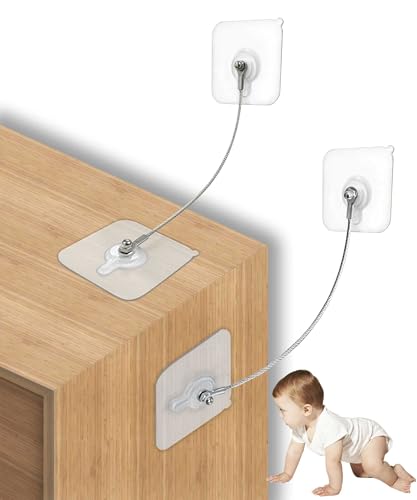
10 Pack, 8 inches Furniture Anchors Kit for Baby Proofing, Adhesive TV Safety Straps Use to Prevent Falling and Anti Tip, No Drill Dresser Or Cabinet to Wall Anchors (xicveiuz)
Check price on AmazonFinal Thoughts on Nightstand Wall Anchors
Anchoring your nightstand is one of the simplest and most impactful safety improvements you can make in your bedroom. Whether you choose a basic anti-tip strap, a heavy-duty toggle bolt, or a lag bolt into a stud, the important thing is that the nightstand is secured. Take a few minutes to assess your wall type, choose the right anchor, and install it properly. Your future self — and anyone who shares your home — will thank you.
For more ways to optimize your bedside setup, explore our care & maintenance hub and the style & design hub. If you are still shopping for the perfect nightstand, the nightstand starter hub is the best place to begin.