
Nightstand Dust Prevention: Complete Guide to Dust-Free Bedside Tables
Discover proven strategies to keep your nightstand dust-free. Learn about dust sources, prevention techniques, and maintenance routines for a cleaner, healthier bedroom environment.
START EXPLORINGWhy Dust Prevention Matters: Dust accumulation on your nightstand isn't just an aesthetic issue—it affects indoor air quality, triggers allergies, and can damage sensitive surfaces over time. Understanding how dust behaves and implementing targeted prevention strategies can transform your bedside area into a cleaner, healthier space.
Understanding Dust: What You're Really Dealing With
Before implementing prevention strategies, it's essential to understand what dust actually is and where it comes from. Household dust is a complex mixture of dead skin cells, pet dander, fabric fibers, pollen, soil particles, and microscopic organisms. In the bedroom, your nightstand acts as a collection point for all these elements.
The materials used in your furniture significantly influence dust accumulation. For instance, engineered wood nightstands may generate more particles than solid oak nightstands due to their composite construction. Similarly, upholstered nightstands with fabric surfaces tend to trap more dust than smooth finishes.
🏠 Indoor Dust Sources
- Dead skin cells: Humans shed approximately 30,000 to 40,000 skin cells per hour
- Fabric fibers: Bedding, curtains, and carpets continuously release microscopic fibers
- Pet dander: If you have pets, their dander circulates throughout the room
- Pollen: Outdoor pollen enters through windows and ventilation systems
- Soil particles: Tracked in from shoes and clothing
🌬️ Outdoor Dust Intrusion
- Open windows: Let in pollen, pollution, and natural dust particles
- HVAC systems: Circulate dust if filters aren't regularly changed
- Poor sealing: Gaps around windows and doors allow dust infiltration
- Clothing: Dust attaches to garments and transfers to furniture
- Shoes: Bring in outdoor soil and particles
⚠️ Dust's Hidden Impacts
- Respiratory issues: Dust mites and particles trigger asthma and allergies
- Surface damage: Gritty dust particles cause micro-scratches on finishes
- Electrical hazards: Dust accumulation in outlets and charging stations
- Sleep quality: Dust-free environments promote better rest
- Long-term health: Chronic exposure to dust mites can worsen sensitivities
Proven Dust Prevention Strategies
Implementing a multi-layered approach to dust prevention yields the best results. Rather than simply cleaning more frequently, focus on reducing dust generation and blocking dust from settling on your nightstand surfaces.
1. Strategic Material Selection
The materials you choose for your nightstand play a significant role in dust accumulation. Smooth, non-porous surfaces collect less dust and are easier to clean. Consider these material choices:
✅ Low-Dust Materials
- Marble top nightstands - smooth, non-porous surface
- Glass-topped nightstands - easy to wipe clean
- Acrylic nightstands - non-porous and sleek
- Brass nightstands - smooth metal surface
- Aluminum nightstands - modern, easy-clean finish
⚠️ Higher-Dust Materials
- Upholstered nightstands - fabric traps particles
- Rattan nightstands - textured surfaces collect dust
- Bamboo nightstands - natural fibers shed
- Engineered wood - composite materials may degrade
If you already own a nightstand with dust-prone materials, don't worry—you can still implement effective prevention strategies. For upholstered nightstands, regular vacuuming with a brush attachment helps remove trapped particles before they become airborne.
2. Surface Treatment and Sealing
Applying protective sealants creates a barrier that prevents dust from embedding into porous surfaces. This is particularly important for wood nightstands, which have natural grain that can trap particles.
💡 Pro Tip: For wood nightstands, apply a quality wood sealant every 6-12 months. This creates a smooth, protective layer that repels dust and makes cleaning significantly easier. Pay special attention to oak, walnut, and pine nightstands, as these species have varying porosity levels.
3. Optimizing Your Bedroom Environment
Environmental factors significantly influence dust accumulation rates. By controlling your bedroom's atmosphere, you can reduce how quickly dust settles on your nightstand.
| Factor | Recommended Setting | Impact on Dust |
|---|---|---|
| Humidity Level | 40-50% relative humidity | Prevents dust mites; too low creates static that attracts dust |
| Air Purification | HEPA filter running continuously | Captures airborne particles before they settle |
| Ventilation | Regular air exchange with filtered air | Reduces indoor pollutant concentration |
| Temperature | 65-68°F (18-20°C) | Cooler temperatures reduce dust mite activity |
4. Smart Cleaning Routines
How you clean matters as much as how often. Improper cleaning techniques can actually redistribute dust rather than remove it. For comprehensive surface care instructions, refer to our nightstand surface cleaning guide.
🧹 Daily Quick Clean
- Use a microfiber cloth (traps dust instead of spreading)
- Wipe from top to bottom, not side to side
- Don't forget the organizer inserts and drawer interiors
- Clean catchall trays and decorative items
📅 Weekly Deep Clean
- Remove all items from nightstand surface
- Vacuum with brush attachment for textured surfaces
- Wipe down all surfaces including legs
- Check and clean cable management areas
- Clean under non-slip pads
🗓️ Monthly Maintenance
- Pull nightstand away from wall to clean behind
- Vacuum or wipe down back panels
- Check and replace air purifier filters
- Inspect drawer dividers for dust buildup
- Clean and condition surfaces as needed
5. Minimizing Clutter and Dust Collectors
Every item on your nightstand is a potential dust collector. Books, decorative objects, electronics, and even bedside table lamps accumulate dust. Strategic decluttering reduces the total surface area available for dust to settle.
- Use closed storage: Two-drawer nightstands or three-drawer nightstands keep items enclosed and dust-free
- Choose minimal accessories: Each additional item adds cleaning complexity
- Rotate decor: Store unused items in closed containers rather than leaving them out
- Consider floating nightstands: Wall-mounted designs eliminate floor-level dust accumulation
Dust Prevention by Nightstand Type
Different nightstand styles and materials require tailored dust prevention approaches. Here's how to address dust for specific nightstand types:
| Nightstand Type | Dust Challenge | Prevention Strategy |
|---|---|---|
| Open Shelf Nightstands | Exposed surfaces collect dust rapidly | Use baskets or bins on shelves; dust daily with microfiber cloth |
| Upholstered Nightstands | Fabric traps and holds particles | Vacuum weekly with brush attachment; consider fabric protector spray |
| Rattan Nightstands | Woven texture creates dust-catching crevices | Use compressed air or vacuum with crevice tool; avoid wet cleaning |
| Marble Top Nightstands | Static attracts dust to smooth surfaces | Use anti-static spray; wipe with damp microfiber cloth |
| Glass-Top Nightstands | Streaks and static make dust visible | Clean with glass cleaner; use anti-static treatment |
| Iron Nightstands | Dust adheres to metal surfaces | Wipe with slightly damp cloth; apply car wax for protection |
Seasonal Dust Prevention Considerations
Dust patterns change with the seasons, requiring adjustments to your prevention routine:
🌸 Spring
Pollen season increases airborne particles. Keep windows closed during high pollen days, run air purifiers continuously, and increase cleaning frequency.
☀️ Summer
Humidity can worsen dust mite populations. Maintain 40-50% humidity with dehumidifiers if needed, and wash bedding weekly in hot water.
🍂 Autumn
Falling leaves and increased indoor time raise dust levels. Clean HVAC filters, vacuum more frequently, and consider professional duct cleaning.
❄️ Winter
Heating systems dry out air, increasing static and dust circulation. Use humidifiers, change furnace filters monthly, and keep nightstand surfaces treated.
Recommended Nightstands for Dust Prevention
⚠️ AFFILIATE DISCLOSURE: This website contains affiliate links. As an affiliate Associate, we earn from qualifying purchases. If you make a purchase through these links, we may receive a small commission at no additional cost to you. Read our full affiliate policy.
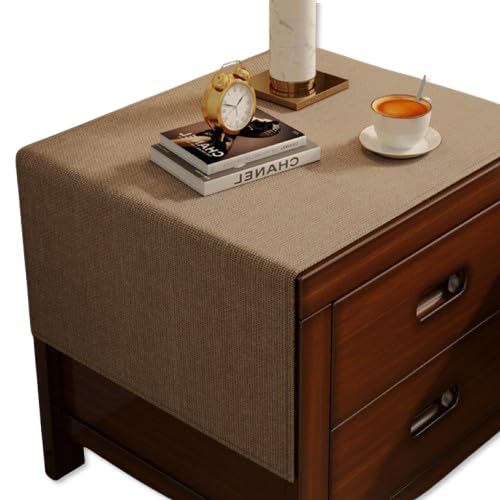
YASSINHE Bedside Table Mat Nightstand Dust Cover Waterproof Cotton and Linen- Brown
Check price on Amazon
YASSINHE Bedside Table Mat Nightstand Dust Cover Waterproof Cotton and Linen- Brown
Check price on Amazon
YASSINHE Bedside Table Mat Nightstand Dust Cover Waterproof Cotton and Linen- Grey
Check price on Amazon
YASSINHE Bedside Table Mat Nightstand Dust Cover Waterproof Cotton and Linen- Brown
Check price on Amazon
YASSINHE Bedside Table Mat Nightstand Dust Cover Waterproof Cotton and Linen- Grey
Check price on Amazon
YASSINHE Nightstand Dust Cover Bedside Table Mat lint-White
Check price on AmazonFrequently Asked Questions About Nightstand Dust Prevention
🌟 Final Thoughts: Consistent dust prevention is far more effective than occasional deep cleaning. By implementing daily, weekly, and monthly routines, choosing dust-resistant materials, and optimizing your bedroom environment, you can significantly reduce dust accumulation on your nightstand. Remember that nightstand care and maintenance is an ongoing process, not a one-time task. For a complete bedroom care strategy, explore our care and maintenance hub.
Ready to Create a Dust-Free Bedside Setup?
Explore our comprehensive guides and find the perfect nightstand for your needs.
EXPLORE NIGHTSTAND GUIDE