
Nightstand Leveling Guide: How to Fix a Wobbly Bedside Table
A wobbling nightstand is more than a minor annoyance — it can scratch your floor, spill your morning coffee, and disrupt your sleep. This complete leveling guide walks you through every fix, from quick felt-pad solutions to permanent adjustable-foot installations.
Explore Leveling MethodsWhy Leveling Matters: An unlevel nightstand puts uneven stress on joints, causing drawers to stick, doors to misalign, and legs to crack over time. Whether you own a floating nightstand or a traditional two-drawer model, a stable base is the foundation of bedside comfort and furniture longevity. This guide covers every scenario — uneven floors, missing feet, warped legs, and thick carpets — so you can stop the wobble for good.
First: Diagnose Why Your Nightstand Wobbles
Before you buy a single shim or pad, identify the root cause. Nightstand instability usually falls into one of five categories, and each demands a different fix. Misdiagnosing the problem leads to wasted money and a wobble that keeps coming back.
- Uneven floor surface — Hardwood planks, tile grout lines, and old subfloors create high and low spots that leave one leg hovering in the air.
- Mismatched leg lengths — Manufacturing tolerances or a slightly warped leg mean the nightstand never sat flat, even when new.
- Missing or worn foot pads — Felt or rubber feet compress over time, throwing the nightstand off balance.
- Thick carpet or rug — A plush rug under two legs but not the others creates an instant tilt. See our rug placement bedside guide for layout solutions.
- Loose hardware or joinery — A wobbly leg can also signal loose bolts or failing nightstand wood joints, which must be tightened before leveling.
Place a spirit level on the nightstand top. If the bubble is off-center, the nightstand itself is unlevel. Then rock the nightstand gently — if it rocks, the issue is the floor or leg length. If it doesn't rock but the bubble is off, the top surface may be warped. This 30-second test tells you exactly which fix to apply.
5 Proven Methods to Level a Nightstand
From the simplest no-tool fix to the most permanent solution, here are five methods ranked by ease, cost, and durability. Most homeowners will find their answer in the first two.
1. Felt Pads & Non-Slip Grips
The go-to fix for minor wobbles and floor protection. Adhesive felt pads add 2–3mm of cushioning, while non-slip nightstand pads prevent sliding on smooth hardwood. Best for nightstands that are almost level but tilt slightly. Cost: $5–$15.
2. Furniture Shims
Wood, plastic, or rubber shims slide under the short leg to fill the gap. Stack them for larger discrepancies. Ideal for uneven floors with a single low spot. Trim excess with a utility knife for a clean look. Cost: $5–$12 per pack.
3. Adjustable Leveling Feet
Screw-in leveling feet replace standard feet and twist up or down to compensate for any floor unevenness. The most permanent solution for older homes with sloped floors. Requires drilling or a threaded insert. Cost: $10–$30 per set.
4. Coaster Cups & Carpet Glides
Wide, flat glides distribute weight evenly across carpet fibers, preventing the nightstand from sinking unevenly. Essential for plush or high-pile carpets where standard feet disappear into the fabric. Cost: $8–$20.
5. Leg Repair & Reinforcement
If the wobble comes from a cracked or loose leg, no pad will fix it. Tighten bolts, reinforce with corner braces, or restore the leg entirely. See our nightstand leg restoration guide for step-by-step repairs. Cost: $15–$50.
Step-by-Step: Level Your Nightstand in 15 Minutes
Follow this universal process regardless of which method you choose. The sequence matters — skipping a step often means redoing the work.
Empty the Nightstand Completely
Remove all drawers, lamps, books, and accessories. Weight distribution changes the wobble pattern, and you need a true reading of the bare frame. Set contents aside on a soft surface to avoid scratches.
Check Hardware and Tighten Everything
Before leveling, inspect all bolts, screws, and cam locks. A loose leg joint mimics a leveling problem. Use the correct nightstand screw types if anything is stripped. Tighten the soft-close drawer runners too, as misaligned drawers can shift weight.
Place a Spirit Level on the Top
Use a 12-inch or longer spirit level across the nightstand top, both front-to-back and side-to-side. Mark which corner is high and which is low with a piece of painter's tape. This tells you exactly where to add height.
Identify the Gap Under the Short Leg
Rock the nightstand gently to find which leg lifts off the floor. Slide a piece of paper or a business card under that leg — if it slides freely, you've confirmed the gap. Measure the gap thickness with a ruler or feeler gauge.
Apply Your Chosen Fix
Start with the thinnest option and build up. Felt pads first (2–3mm), then shims (3–10mm), then adjustable feet for anything larger. Always fix the lowest corner first, then re-check with the level.
Re-Check and Fine-Tune
Replace the level and confirm the bubble is centered in both directions. Rock the nightstand again — it should feel solid with zero movement. Adjust as needed until stable.
Reload and Test Under Weight
Return drawers and accessories, then open and close each drawer fully. Place a lamp on top and check for any residual sway. If the wobble returns under load, you need a more permanent fix like adjustable feet.
Never stack more than three shims under a single leg — the tower becomes unstable and can collapse. For gaps larger than 1cm, switch to adjustable leveling feet instead. Also, if your nightstand is a tall model, always secure it with an anti-tip strap after leveling, especially in homes with children or pets.
Leveling Solution Comparison Table
Use this table to match your specific situation — floor type, wobble severity, and nightstand material — with the right leveling product. Prices reflect current market rates for standard consumer packs.
| Solution | Best For | Max Gap Fixed | Durability | Price Range |
|---|---|---|---|---|
| Felt Pads | Hardwood, laminate, minor wobble | 3mm | 1–2 years | $5–$15 |
| Rubber Grips | Tile, smooth floors, sliding prevention | 5mm | 2–3 years | $8–$18 |
| Wood/Plastic Shims | Single low spot, uneven subfloor | 10mm | Permanent (if trimmed) | $5–$12 |
| Adjustable Leveling Feet | Sloped floors, old homes, heavy nightstands | 25mm+ | 5–10+ years | $10–$30 |
| Carpet Glides / Coaster Cups | Plush carpet, high-pile rugs | 15mm (carpet compression) | 3–5 years | $8–$20 |
| Leg Repair Kit | Cracked, split, or loose legs | Structural fix | Permanent | $15–$50 |
Recommended Products for Nightstand Leveling
⚠️ AFFILIATE DISCLOSURE: This website contains affiliate links. As an affiliate Associate, we earn from qualifying purchases. If you make a purchase through these links, we may receive a small commission at no additional cost to you. Read our full affiliate policy.
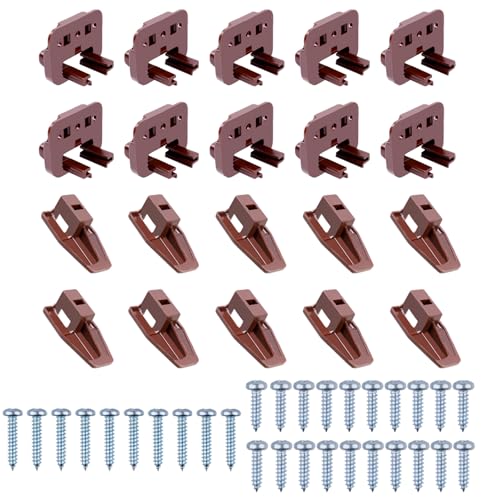
10 sets for kenlin Drawer Slide Track Guide Glide - Replacement Parts for Dressers and Nightstands - Bottom Mount - Brown (10)
Check price on Amazon
Kingrol 20 Plastic Drawer Slide Track Guides for Center Mount Drawers - Replacement Parts for Dressers, Nightstands, and Kenlin/Rite-Trak 1 Drawer Systems
Check price on Amazon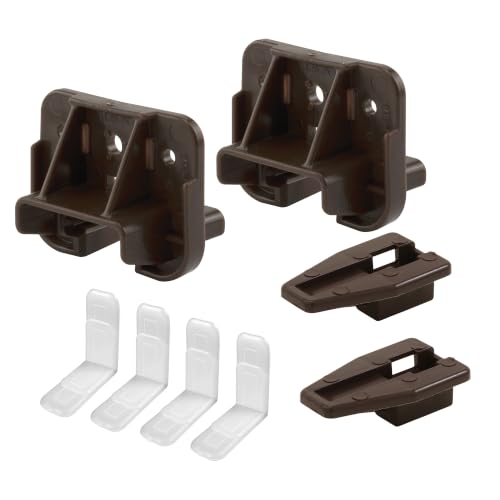
Prime-Line R 7321 Drawer Track Guide and Glides - Replacement Furniture Parts for Dressers, Hutches and Nightstand Drawer Systems, Brown (1 Set)
Check price on Amazon
10PCS Drawer Slide Track Guide Glide for Center Mount Drawer for Dressers and for Nightstand for Kenlin for Rite-Trak 1 Drawer Systems (Please Check The Size Before Purchasing)
Check price on Amazon
Replacement Guide Rails White for Grooved Drawers/Compatible for Some IKEA/and Older Dressers and Nightstands 11.25” L x 5/8”W x 5/16”Thick / 2 Rails and Fasteners by E.H.C.
Check price on Amazon
27" Stable Night Table, Nightstand Side Table with Pine Tabletop, Modern Side Table with Leveling feet for entryway and Living Room, Walnut
Check price on AmazonAdjustable Leveling Feet: The Permanent Solution
If you've tried pads and shims but the wobble keeps returning, adjustable leveling feet are the answer. These screw-in replacements let you fine-tune each leg independently, compensating for sloped floors, thick carpets, and seasonal wood movement. They're especially valuable for engineered wood nightstands and heavier oak models where weight distribution matters.
Types of Adjustable Feet
- Threaded stem feet — Screw directly into a pre-drilled hole in the leg. Twist clockwise to raise, counter-clockwise to lower. Best for nightstands with solid wood legs.
- Flange-mount feet — Attach with screws to a flat leg base. Ideal for iron nightstands or metal-framed models where drilling isn't possible.
- T-nut insert feet — Require a T-nut installed inside the leg for maximum holding strength. The most secure option for heavy nightstands over 30 lbs.
- Glide feet with felt base — Combine leveling adjustment with floor protection. Perfect for walnut nightstands on hardwood floors.
When installing adjustable feet, always drill a pilot hole slightly smaller than the threaded stem. This prevents the wood from splitting, especially in pine nightstands which are softer than oak or walnut. If your nightstand has a metal base, use a rubber mallet to tap flange feet into position before screwing them down.
Dealing with Severely Uneven Floors
Older homes, second-story bedrooms, and homes built on expansive soil often have floors that slope significantly. If your nightstand needs more than 1cm of correction, standard shims won't cut it. Here's how to handle severe cases without damaging your floor or furniture.
- Measure the slope first — Place a level on the floor itself to determine the angle. A 2% slope (2cm per meter) is common in older homes and usually manageable with adjustable feet.
- Use a leveling base platform — For slopes over 3%, build or buy a wedge-shaped platform that sits under the nightstand, creating a level surface on top. This distributes weight evenly and avoids over-extending one leg.
- Consider wall-mounted alternatives — If floor leveling is a persistent battle, a floating nightstand removes the floor variable entirely. Mounted directly to the wall, it's immune to floor slopes and saves floor space.
- Check for subfloor damage — Severe or sudden slopes can indicate water damage or structural issues. Consult a professional if the floor feels spongy or has visible sagging.
If your floor slope exceeds 5% (5cm per meter) or if the floor feels soft underfoot, do not attempt to fix it with furniture leveling alone. These are signs of potential structural problems that require a qualified contractor. Leveling a nightstand on a failing floor is a temporary bandage, not a solution.
Leveling a Nightstand on Thick Carpet
Carpet presents a unique challenge: the nightstand sinks unevenly, and the pile compresses differently under each leg. Standard felt pads disappear into the fibers, and shims create visible bumps under the carpet. The solution is wide, flat glides that distribute weight across a larger surface area.
Carpet glides — sometimes called "carpet cups" or "coaster cups" — are plastic or metal discs with a slight lip that sits under each leg. They prevent the leg from puncturing the carpet and create a stable, level plane on top of the pile. For very thick carpets, look for glides with a spike or prong that anchors into the carpet backing. If you're placing a rug under the bed, our rug placement guide explains how to position it so the nightstand sits evenly.
After installing carpet glides, re-check the level after 24 hours. Carpet fibers need time to settle under the new weight distribution. You may need to make a final micro-adjustment once the carpet has compressed. This is normal and ensures a lasting level.
How to Prevent Future Wobbles
Once your nightstand is level, a few simple habits keep it that way. These preventive measures also protect your floor and extend the life of your furniture.
- Re-tighten hardware every 6 months — Seasonal humidity changes cause wood to expand and contract, loosening screws over time. A quick tighten twice a year prevents most wobbles.
- Use felt pads from day one — Even if your nightstand sits perfectly level, felt pads protect both the floor and the furniture finish. They also dampen minor vibrations.
- Distribute weight evenly — Avoid stacking all heavy items in one drawer or on one side. Balanced weight reduces stress on individual legs and joints.
- Inspect after moving — Any time you move the nightstand for cleaning or rearranging, re-check the level. Moving often shifts the leg-to-floor contact points.
- Protect from moisture — Wood legs swell when exposed to dampness, which changes their length. Use moisture protection in humid climates or during rainy seasons.
Frequently Asked Questions
Can I use folded paper as a shim for my nightstand?
Folded paper works as a temporary fix, but it compresses over time and loses its thickness. It also absorbs moisture and can attract pests. For a permanent solution, use plastic or rubber shims, which hold their shape and won't degrade. If you must use paper temporarily, replace it within a week with a proper shim or felt pad.
My nightstand is level but still wobbles — what's wrong?
A level nightstand that still wobbles usually has a loose leg joint or a warped frame. Check all bolts and cam locks first — a quarter-turn on a loose bolt often fixes it. If hardware is tight, the issue may be a cracked leg or failing wood joints. In that case, leg repair or replacement is necessary before leveling will work.
How do I level a nightstand on a sloped floor without adjustable feet?
Use a combination of shims and a leveling platform. Start with rubber or plastic shims under the low legs, stacking no more than three. If the slope requires more than 1cm of correction, create a wedge-shaped wooden platform that sits under the entire nightstand, providing a level surface on top. This distributes weight evenly and avoids the instability of tall shim stacks.
Will leveling my nightstand damage my hardwood floor?
Not if you use the right materials. Felt pads, rubber grips, and carpet glides are all floor-safe. Avoid bare metal or hard plastic feet directly on hardwood, as they can scratch. Shims should be smooth-edged and placed under the leg, not dragged across the floor. For extra protection, place a small nightstand coaster under each leg.
How often should I check if my nightstand is level?
Check the level every 6 months, ideally at the start of spring and fall when humidity changes are greatest. Also re-check after moving the nightstand, after installing new flooring or carpet, and if you notice any new wobble or drawer sticking. A 30-second check with a spirit level prevents bigger problems down the road.
Can I level a nightstand without removing everything from it?
You can, but it's not recommended. Weight distribution changes when you remove items, so a nightstand that appears level when empty may wobble once loaded. Always empty the nightstand first, level the bare frame, then reload and re-check. This ensures the leveling holds under real-world conditions.
A Level Nightstand Is a Safe, Functional Nightstand
Leveling your nightstand is one of the simplest and most rewarding DIY fixes you can do. It takes 15 minutes, costs under $30, and transforms a wobbly annoyance into a stable, reliable bedside companion. Whether you choose felt pads for a quick fix or adjustable feet for a permanent solution, the key is diagnosing the root cause and applying the right method. Once level, your nightstand will protect your floor, keep your coffee upright, and last for years to come.
Explore More Setup Guides