


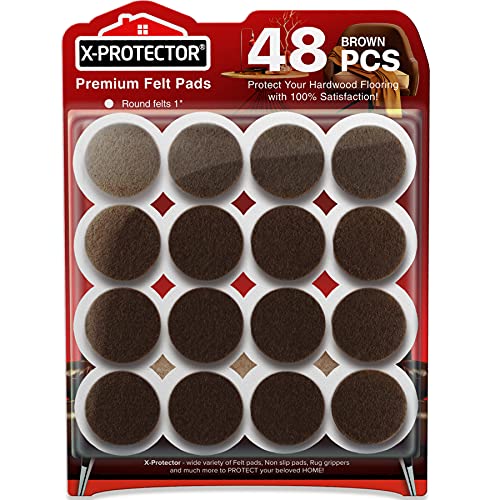

What Are Nightstand Felt Pads and Why Do You Need Them?
Nightstand felt pads are small, adhesive-backed cushions made from dense felt that you attach to the bottom of your nightstand legs. Their primary purpose is to create a soft, protective barrier between your furniture and your floor. Without them, the simple act of moving your nightstand—whether to clean behind it or just adjust its position—can cause unsightly scratches, scuffs, and dents on wood, laminate, vinyl, and tile flooring. Beyond floor protection, felt pads also serve as a noise dampener, preventing the harsh scraping sound that often accompanies moving furniture. For anyone looking to maintain the pristine condition of their bedroom, investing in quality nightstand setup accessories like felt pads is an essential step.
Types of Felt Pads: Choosing the Right Material
Not all felt pads are created equal. The material composition and thickness significantly affect their performance and longevity. Understanding the differences will help you select the best option for your specific needs.
1. Standard Adhesive Felt Pads
These are the most common and affordable option. They consist of a layer of felt with a strong adhesive backing that sticks directly to the bottom of your nightstand leg. They are ideal for lighter furniture and are easy to install. However, over time, the adhesive can dry out or collect dust, causing the pad to peel off. For best results, clean the surface of the leg before applying.
2. Heavy-Duty Felt Pads
Designed for heavier furniture, these pads are thicker and made from denser felt. They offer superior shock absorption and are less likely to compress over time. If you have a solid wood or marble-top nightstand, heavy-duty pads are a wise investment to ensure long-lasting protection.
3. Nail-On Felt Pads
Instead of adhesive, these pads have a small nail or tack that you hammer into the bottom of a wooden nightstand leg. They are extremely secure and won't slide off, making them perfect for furniture that is moved frequently. However, they are not suitable for metal or glass legs.
4. Combination Felt Pads (Felt + Sleeve)
These innovative pads feature a felt bottom with a flexible sleeve or cup that grips the leg. They are often used for chairs but can also work well for nightstands with thin, round legs. The sleeve provides additional stability and prevents the pad from shifting.
Key Factors to Consider Before Buying
When shopping for felt pads, keep the following factors in mind to ensure you get the right product for your home.
Flooring Type
The type of flooring you have dictates the best pad material. For hardwood and laminate, felt pads are the gold standard. They glide smoothly and won't leave marks. For tile or stone, felt is also a good choice, but you may want a thicker pad to handle the grout lines. For carpet, felt pads are less effective as they can snag; instead, consider non-slip nightstand pads or glides designed for carpet.
Nightstand Weight and Leg Shape
A heavy nightstand requires a thicker, denser felt pad to prevent compression. Consider the shape of your nightstand legs—round, square, or tapered. Most felt pads are round or square, but you can also find custom shapes. For tapered legs, you might need a pad that can conform to the angle, or you can opt for a nightstand leg style that is easier to fit.
Adhesive Quality
The adhesive is the weakest link in many felt pads. Look for pads that use a strong, long-lasting adhesive that is resistant to drying out. Some brands offer "self-stick" pads with a peel-and-stick backing, while others require you to apply glue. For a more permanent solution, consider nail-on pads.
How to Install Felt Pads Correctly
Proper installation is crucial for maximum effectiveness. Follow these simple steps for the best results:
- Clean the Surface: Use a damp cloth to wipe down the bottom of each nightstand leg. Ensure it is completely dry before proceeding. This removes dust and oils that can prevent the adhesive from bonding.
- Measure and Cut: If your felt pads are larger than the leg, use scissors to trim them to size. For a perfect fit, trace the outline of the leg onto the pad and cut along the line.
- Peel and Stick: Remove the backing paper from the adhesive side. Press the pad firmly onto the center of the leg. Hold it in place for a few seconds to ensure a strong bond.
- Test and Adjust: Gently lift the nightstand and set it back down. Check if the pads are level. If the nightstand wobbles, you may need to add a shim or use a nightstand leveling guide to adjust the feet.
Maintenance and Replacement
Felt pads are not permanent. Over time, they can accumulate dust, hair, and debris, which reduces their effectiveness and can even scratch your floor. Here are some maintenance tips:
- Regular Cleaning: Vacuum or brush the felt pads regularly to remove debris. You can also use a lint roller.
- Inspect for Wear: Check the pads every few months. If they are flattened, torn, or no longer sticking, it's time to replace them.
- Removing Old Pads: If you need to remove old pads, use a putty knife to gently pry them off. Clean any adhesive residue with a mild solvent like rubbing alcohol. For stubborn residue, refer to our guide on nightstand sticky residue removal.
Beyond Felt: Other Floor Protection Options
While felt pads are excellent for most situations, they are not the only solution. Depending on your needs, you might also consider:
- Furniture Glides: These are typically made of plastic or metal and are designed for carpeted floors. They allow furniture to slide easily.
- Rubber Pads: These provide excellent grip and are ideal for preventing furniture from sliding on hard surfaces. However, they can leave marks on some floors.
- Coasters: For additional protection, you can place nightstand coasters under the legs. These are often used to protect against water rings but can also add a layer of cushioning.
Felt Pads and Nightstand Care
Using felt pads is just one aspect of overall nightstand maintenance. To keep your furniture looking its best, you should also follow a regular care routine. This includes dusting, cleaning spills promptly, and protecting it from moisture. Our nightstand care and maintenance hub offers comprehensive guides on these topics. Additionally, if you're looking to upgrade the functionality of your nightstand, consider adding accessories like nightstand organizer inserts or a bedside cable management system.
Frequently Asked Questions (FAQs)
Do felt pads really prevent scratches?
Yes, high-quality felt pads create a soft barrier that prevents the hard bottom of your nightstand from coming into direct contact with your floor, effectively preventing scratches and scuffs.
How often should I replace felt pads?
It depends on usage and the quality of the pads. Generally, you should inspect them every 6-12 months and replace them when they become flattened, dirty, or lose their adhesive.
Can I use felt pads on carpet?
Felt pads are not ideal for carpet as the fibers can get caught in the felt, causing it to wear out quickly. For carpet, use plastic or metal glides designed for carpeted surfaces.
Are felt pads safe for all floor types?
Felt pads are safe for most hard floors, including hardwood, laminate, vinyl, and tile. However, for very delicate or freshly finished floors, always test a pad in an inconspicuous area first.
How do I remove sticky residue from old felt pads?
You can use a mild solvent like rubbing alcohol or a commercial adhesive remover. Apply it to a cloth and gently rub the residue until it lifts. For more detailed instructions, see our guide on sticky residue removal.