Bedside Textile Layering: The Complete Guide to a Cozy & Stylish Bedside
Transform your bedroom with the art of textile layering. Learn how to combine throws, pillows, rugs, and fabrics to create a warm, inviting, and visually stunning bedside retreat that reflects your personal style.
Explore the Layers
Why Bedside Textile Layering Matters: Your nightstand is more than a surface for a lamp and a book—it's the anchor of your bedside sanctuary. Textile layering adds warmth, texture, and depth that hard furniture alone cannot provide. Whether you prefer a contemporary bedside styling or a cozy Nordic bedside styling, the strategic use of textiles is what separates a basic bedroom from a designer retreat.
What Is Bedside Textile Layering?
Bedside textile layering is the deliberate practice of combining multiple fabrics, textures, and colors around your bedside area to create visual interest, physical comfort, and a cohesive design story. It goes beyond simply placing a throw blanket on the bed—it encompasses everything from the rug under your feet to the lampshade above your nightstand.
Think of it as building a composition. Each layer—whether it's a chunky knit throw, a linen runner, a velvet cushion, or a woven jute rug—adds a new dimension to your bedroom's aesthetic. The goal is to create a space that feels intentional, layered, and inviting rather than flat or sparse. When done well, textile layering can make even a small bedroom feel rich and thoughtfully designed.
Unlike major furniture purchases, textile layering is an accessible way to refresh your space seasonally or whenever you crave a change. A new set of pillow covers or a different throw can completely shift the mood of your bedside vignette without breaking your budget.
The 5 Core Layers of Bedside Textiles
To master bedside textile layering, you need to understand the five fundamental layers that work together. Each serves a distinct purpose—functionally, visually, or both. Start with the foundational layers and build upward for a balanced, professional result.
🛏️
1. The Foundation Layer
This is your base—the bedding and bed skirt that sets the canvas. Choose neutral, high-quality fabrics like cotton or linen in colors that harmonize with your neutral bedside palette or provide a calm backdrop for bolder choices.
🧶
2. The Comfort Layer
Throws, quilts, and blankets add warmth and texture. A chunky knit draped over the corner of the bed or a quilted coverlet folded at the foot introduces coziness and invites relaxation.
🪑
3. The Accent Layer
Pillows and cushions are your accent pieces. Mix sizes, shapes, and textures—velvet, linen, boucle—to create visual rhythm. This is where you can introduce color through a bold bedside palette.
🟫
4. The Ground Layer
Rugs and runners define the bedside zone. A small rug beside your nightstand or a runner along the bed adds softness underfoot and visually anchors the furniture.
💡
5. The Detail Layer
Lampshades, curtains, and even upholstered nightstand surfaces add the finishing touches. These subtle textile elements tie the entire composition together.
✨
Bonus: The Seasonal Layer
Rotate textiles with the seasons. Lighter linens in summer, heavier wools and flannels in winter. This keeps your bedside feeling fresh year-round.
How to Layer Bedside Textiles: A Step-by-Step Guide
Building a layered bedside is easier than it looks when you follow a logical sequence. Here's how to approach it like a designer:
-
Start with a Neutral Base
Begin with your bedding and nightstand surface. Neutral tones like white, cream, or soft gray provide a versatile foundation that works with any accent color. This is especially important if you plan to change your seasonal bedside palette later.
-
Add a Grounding Rug
Place a small rug or runner beside your bed. A sheepskin, jute, or low-pile rug adds warmth and defines the bedside zone. Make sure it's comfortable underfoot for those early morning starts.
-
Drape a Throw
Fold or drape a throw blanket across the foot of the bed or over the corner of your nightstand area. Vary the texture—chunky knits, waffle weaves, or faux fur—to add tactile interest.
-
Layer Your Pillows
Arrange pillows in descending size order: largest at the back, smallest at the front. Mix fabrics like linen, velvet, and cotton. Add a lumbar pillow for a modern touch or a round bolster for a classic feel.
-
Introduce a Table Runner or Mat
A fabric runner on your nightstand adds a touch of softness to a hard surface. It also protects the finish and provides a base for your lamp, books, and bedside vignette accessories.
-
Finish with Lighting Textiles
Swap out your lampshade for one in linen, silk, or woven rattan. Consider adding a fabric cord cover or a textile-wrapped lamp base to integrate lighting into your layered look.
Textile Pairing Guide: What Works Together
Not all textiles play well together. The key is to balance textures, weights, and colors. Use this guide to make confident pairing decisions:
| Primary Textile |
Best Paired With |
Avoid Pairing With |
Ideal Season |
| Linen |
Cotton, wool, jute, velvet |
Shiny synthetics, heavy brocade |
Spring / Summer |
| Velvet |
Silk, linen, metallic accents |
Other heavy textures like corduroy |
Autumn / Winter |
| Chunky Knit |
Cotton, faux fur, leather |
Delicate lace, sheer fabrics |
Autumn / Winter |
| Jute / Rattan |
Cotton, linen, leather, wool |
Velvet, silk, satin |
All Seasons |
| Faux Fur |
Velvet, knit, cotton |
Smooth synthetics, jute |
Winter |
| Cotton |
Almost everything |
Nothing—it's the most versatile |
All Seasons |
Color Coordination for Layered Textiles
Color is the thread that ties your layers together. Without a cohesive color strategy, even the most beautiful textiles can feel chaotic. Here are three approaches to consider:
Monochromatic Layering: Use different shades of the same color—ivory, cream, beige, and tan. This creates a serene, sophisticated look that's perfect for a primary suite layout. The variation in texture provides interest while the unified palette keeps things calm.
Complementary Contrast: Pair opposite colors on the color wheel—like soft blue and warm terracotta, or sage green and blush pink. This approach adds energy and visual pop. It works beautifully in eclectic bedside styling where mixing is encouraged.
Neutral + One Accent: Keep your base layers neutral and introduce a single accent color through pillows, throws, or a rug. This is the safest approach and allows you to change your accent color seasonally without replacing everything. Understanding bedside color psychology can help you choose an accent that promotes the mood you want—calm, energy, warmth, or focus.
🎨 Color Layering Quick Tips
- Follow the 60-30-10 rule: 60% dominant color, 30% secondary color, 10% accent color.
- Repeat your accent color at least three times in the bedside zone for cohesion.
- Use a bedside color harmony approach to ensure your textiles don't clash with your wall color or furniture finish.
- When in doubt, choose textures over colors—texture variation is more forgiving than color mistakes.
Seasonal Textile Rotation
One of the greatest benefits of bedside textile layering is the ability to rotate your layers with the seasons. This keeps your bedroom feeling fresh and ensures comfort year-round. A seasonal bedside palette doesn't require an entirely new set of textiles—often, just swapping a few key pieces is enough.
🌸
Spring
Light linens, pastel cottons, and fresh floral accents. Remove heavy throws and opt for a lightweight quilt. Add a breathable cotton rug beside the bed.
☀️
Summer
Sheer curtains, crisp white bedding, and minimal layers. Choose a woven jute or cotton rug. A lightweight throw in a natural fiber keeps things airy.
🍂
Autumn
Introduce warm tones—rust, mustard, olive. Add a chunky knit throw and velvet cushions. A wool or wool-blend rug adds cozy warmth underfoot.
❄️
Winter
Layer heavily: faux fur throws, flannel sheets, and plush velvet pillows. A sheepskin rug beside the bed feels luxurious and warm on cold mornings.
Common Bedside Textile Layering Mistakes to Avoid
Even experienced decorators can fall into these traps. Avoid them to keep your bedside looking polished and intentional:
-
Over-Layering
More isn't always better. Too many textiles can make a bedside feel cluttered and chaotic, especially in a small bedroom layout. Edit ruthlessly—if a piece doesn't add comfort or visual value, remove it.
-
Ignoring Scale
A tiny rug beside a large nightstand looks disproportionate. Make sure your textile layers are scaled appropriately to your furniture and room size.
-
Mismatched Formality
A rustic jute rug paired with a formal silk lampshade creates visual tension. Keep your textiles within a similar formality range unless you're intentionally creating an eclectic look.
-
Neglecting Texture Variation
All-smooth textiles feel flat. All-rough textiles feel heavy. The magic is in the mix—combine smooth, nubby, fluffy, and crisp textures for a dynamic composition.
-
Forgetting Function
Your bedside must remain functional. Don't layer so heavily that you can't reach your lamp, place a glass of water, or access your nightstand with drawers.
Frequently Asked Questions
How many textiles should I layer at my bedside?
+
There's no fixed number, but a good rule of thumb is 3-5 textile elements per bedside. This typically includes a rug, a throw, 2-3 pillows, and perhaps a table runner or lampshade. The key is balance—enough to create visual interest without overwhelming the space.
Can I layer textiles if I have a minimalist bedroom?
+
Absolutely. Minimalist doesn't mean textile-free. Choose high-quality, neutral textiles with subtle texture—like a single linen throw, a smooth cotton rug, and one accent pillow. The restraint is what makes it minimalist.
What's the best rug material for beside a nightstand?
+
It depends on your priorities. For warmth and luxury, sheepskin or wool. For durability and easy cleaning, jute or cotton. For a soft, sink-in feel, consider a low-pile shag. Just ensure it's comfortable to step on first thing in the morning.
How do I prevent my layered textiles from looking messy?
+
Folding and draping with intention is key. Fold throws neatly rather than bunching them. Arrange pillows in a consistent pattern. Tuck rug edges under furniture where possible. A little daily tidying goes a long way.
Should my bedside textiles match my bedding exactly?
+
They should coordinate, not necessarily match. Exact matching can look flat and catalog-like. Instead, aim for a cohesive color story with variation in tone and texture. Your bedding is the foundation; your bedside textiles are the layers that add personality.
How often should I rotate my bedside textiles?
+
Most designers recommend rotating at least twice a year—typically in spring and autumn. If you enjoy variety, seasonal rotation (four times a year) keeps your bedroom feeling fresh and aligned with the weather.
Final Thoughts: Your Bedside, Your Story
Bedside textile layering is ultimately about creating a space that feels like you. It's an opportunity to express your personal style through the tactile, visual, and emotional qualities of fabric. Whether you're drawn to the clean simplicity of a Nordic bedside, the nostalgic warmth of a retro bedside styling, or the refined elegance of a classic bedside, textiles are your most versatile design tool.
Start with what you have, build layer by layer, and don't be afraid to experiment. The beauty of textile layering is that it's forgiving—you can always adjust, swap, or remove a piece. And unlike a major furniture investment, textiles let you refresh your bedside whenever inspiration strikes.
For more inspiration, explore our guides on bedside vignette ideas and nightstand-dresser symmetry to complete your bedroom's design story.
Ready to Elevate Your Bedside?
Discover our curated selection of nightstands, bedside tables, and accessories that provide the perfect foundation for your textile layering journey. From wood to metal, modern to classic—find the piece that anchors your sanctuary.
Shop Nightstands
Recommended Nightstands for Textile Layering
⚠️ AFFILIATE DISCLOSURE: This website contains affiliate links. As an affiliate Associate, we earn from qualifying purchases. If you make a purchase through these links, we may receive a small commission at no additional cost to you.
Read our full affiliate policy.

ODIKA 2'x3' Gray Beige Plaid Design Classic Ultra-Soft Accent Mat
Check price on Amazon
⚠️ Note: The purchase links above are affiliate links. As an Amazon Associate, we earn from qualifying purchases at no additional cost to you.

ODIKA 3'x5' Gray Beige Plaid Design Classic Ultra-Soft Throw Mat | Checkered for Stylish Layering Washable, Bare feet friendly, Easy Care Indoor rug for Bedside, Vanity
Check price on Amazon
⚠️ Note: The purchase links above are affiliate links. As an Amazon Associate, we earn from qualifying purchases at no additional cost to you.

Amearea Vintage Design Area Rugs for Living Room, 4x6 Red Bedroom Rug | Machine Washable Floral Collection Traditional Rug, Low Pile Cute Kids Room Print Carpet, Non Slip Office Kitchen Home Decor
Check price on Amazon
⚠️ Note: The purchase links above are affiliate links. As an Amazon Associate, we earn from qualifying purchases at no additional cost to you.

ATOSII Cotton Blockprint Square Tablecloth, Amara Green, 60" X 60" | 100% cotton washable table cloth with floral block print for kitchen, dining, weddings, outdoors, picnics and holiday décor.
Check price on Amazon
⚠️ Note: The purchase links above are affiliate links. As an Amazon Associate, we earn from qualifying purchases at no additional cost to you.
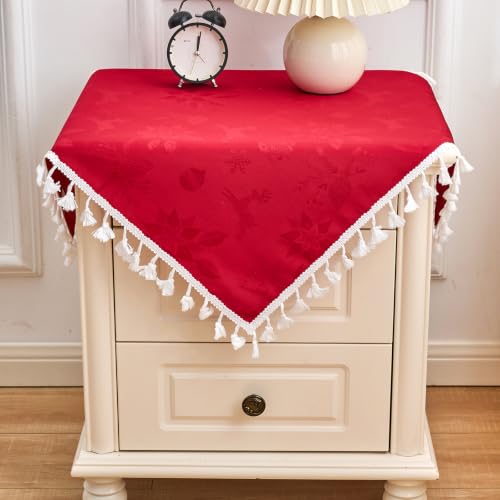
Square Red Christmas Table Topper 24x24 Inch, Nightstand End Table Cover | 100% Polyester Jacquard Fabric, Tasseled Edge,Waterproof Wrinkle‑Resistant,Multi‑Use for Nightstand,Dresser,Small Table
Check price on Amazon
⚠️ Note: The purchase links above are affiliate links. As an Amazon Associate, we earn from qualifying purchases at no additional cost to you.

ODIKA 3'x5' Yellow Mustard Striped Layering Ultra-Soft Throw Mat | Contemporary Fall Entryway Design for Porch Washable, Bare feet friendly, Easy Care Indoor rug for Bedside, Vanity
Check price on Amazon
⚠️ Note: The purchase links above are affiliate links. As an Amazon Associate, we earn from qualifying purchases at no additional cost to you.

ATOSII Cotton Blockprint Round Tablecloth, Kari Green, 90 Inches | 100% cotton washable table cloth with floral block print for kitchen, dining, weddings, outdoors, picnics and holiday décor.
Check price on Amazon
⚠️ Note: The purchase links above are affiliate links. As an Amazon Associate, we earn from qualifying purchases at no additional cost to you.

Adiugt 2'x3' Red Black Tartan Plaid Classic Symmetry Ultra Soft Door Mat | Vintage Inspired Crosshatch Lines, Balanced Color Fluffy Washable Easy Care Indoor rug for Bedside Entryway
Check price on Amazon
⚠️ Note: The purchase links above are affiliate links. As an Amazon Associate, we earn from qualifying purchases at no additional cost to you.