
Bedroom Traffic Flow Design: The Ultimate Layout & Planning Guide
Discover how to arrange your bedroom furniture for optimal movement, comfort, and style. Learn the principles of clear pathways, proper spacing, and strategic nightstand placement.
START PLANNINGWhy Traffic Flow Matters: A well-designed bedroom isn't just about aesthetics—it's about how the space functions. Good traffic flow reduces frustration, prevents furniture damage, and creates a calm, restful environment. Whether you're working with a small bedroom layout or a spacious primary suite, understanding circulation patterns is the foundation of a successful design.
The Core Principles of Bedroom Circulation
Traffic flow, also known as circulation, refers to the paths people take as they move through a room. In a bedroom, the primary traffic patterns are: entering and exiting, moving around the bed, accessing the closet, and reaching the bathroom. Each of these paths requires careful planning to ensure clear, comfortable passage.
Before you move a single piece of furniture, it's helpful to understand the standard clearances that make a bedroom feel comfortable and functional. These measurements are based on average human dimensions and typical furniture sizes. If you're unsure about standard furniture sizes, our bedside dimensions guide can help you plan with confidence.
| Traffic Area | Recommended Clearance | Why It Matters |
|---|---|---|
| Main walkway (foot of bed to wall/dresser) | 30–36 inches (76–91 cm) | Allows comfortable passage for most people; prevents stubbed toes and squeezed movement. |
| Side of bed (to wall or furniture) | 24–30 inches (61–76 cm) | Enough space to get in and out of bed, make the bed, and access a nightstand with drawers. |
| Between bed and closet doors | 36+ inches (91+ cm) | Ensures closet doors can open fully and you can stand comfortably while choosing clothes. |
| Entry door swing area | 36+ inches (91+ cm) radius | Prevents the door from hitting furniture; allows easy entry and exit. |
| Between two nightstands (across the bed) | 60+ inches (152+ cm) for a queen bed | Ensures symmetry and balanced access from both sides of the bed. |
Nightstand Placement: The Traffic Flow Linchpin
Your nightstand is more than a bedside accessory—it's a key player in traffic flow. A poorly placed nightstand can block pathways, make getting out of bed awkward, and disrupt the visual balance of the room. On the other hand, a well-positioned nightstand enhances both function and style.
When planning nightstand placement, consider these three critical factors:
Distance from Bed
The nightstand should be flush with or slightly lower than the top of your mattress. It should sit within easy arm's reach—typically 2–4 inches from the side of the bed.
- Avoid blocking the bed's side clearance
- Ensure drawers and doors open freely
- Keep the top surface at a comfortable height
Pathway Clearance
If your nightstand sits along a walking path, it must not intrude into the required clearance. A narrow nightstand or floating nightstand can be a smart solution for tight spaces.
- Leave at least 24 inches of walkway
- Consider wall-mounted options for narrow rooms
- Choose a small nightstand if space is limited
Symmetry & Balance
For a balanced look, nightstands on both sides of the bed should be similar in size and style. This creates a harmonious flow and visual stability.
- Use a nightstand set of 2 for perfect symmetry
- Match heights for a cohesive look
- Consider nightstand-dresser symmetry for a polished room
Traffic Flow Solutions for Common Bedroom Layouts
Every bedroom has its own unique challenges. Here's how to adapt traffic flow principles to the most common layout scenarios.
-
1
Small Bedrooms: In tight spaces, every inch counts. Choose a small nightstand or narrow nightstand that doesn't protrude into the walkway. Consider a floating nightstand to free up floor space entirely. For more ideas, see our small bedroom layouts guide.
-
2
Primary Suites: Larger rooms allow for more generous clearances and additional furniture. Ensure your primary suite layout includes a comfortable walking path around the bed and easy access to seating or a dresser. A large nightstand or tall nightstand can anchor the space.
-
3
Guest Rooms: Guest rooms often serve multiple purposes. Prioritize clear pathways to the bed and closet. A matching nightstand set creates a welcoming, hotel-like feel. Explore our guest room layouts for more inspiration.
-
4
Bed Against a Wall: If your bed is against a wall on one side, you'll only need one nightstand. Choose a side table night stand or a nightstand that fits the available space without blocking access.
-
5
Rooms with Angled Walls or Corners: A round nightstand or circular bedside table can soften awkward corners and improve flow. For more space-saving ideas, see our bedroom focal point design guide.
How Materials Impact Flow and Function
The material of your nightstand and other bedroom furniture doesn't just affect aesthetics—it also influences how you move through the space. A solid wood nightstand is sturdy and durable, but it can be heavy to move if you need to reconfigure your layout. A metal nightstand or rattan nightstand might be lighter and easier to reposition.
For rooms where flexibility is key, consider a nightstand with charging station to reduce cable clutter and keep the top surface organized. A charging nightstand can also eliminate the need for extra power strips, which can trip up your traffic flow.
If you're comparing materials, our guides on solid wood vs veneer and secondhand nightstand buying can help you make an informed decision. And if you're looking for specific wood types, explore oak nightstand, walnut nightstand, white oak nightstand, light wood nightstand, and wooden bedside table options.
Creating a Seamless Flow: A Step-by-Step Approach
Ready to optimize your bedroom's traffic flow? Follow this simple, actionable plan:
-
1
Measure Your Space: Note the room dimensions, door and window locations, and any architectural features. Identify the primary walking paths.
-
2
Identify Your Bed Position: The bed is the anchor of the room. Place it first, ensuring there's adequate clearance on both sides if possible.
-
3
Choose Your Nightstands: Select nightstands that fit the available space. Use our guides to nightstand, side table night stand, bedside table, white bedside table, black bedside table, small bedside table, and narrow bedside table styles to find the perfect match.
-
4
Plan Your Pathways: Ensure at least 30 inches of clearance in main walkways and 24 inches beside the bed. Adjust furniture as needed to meet these minimums.
-
5
Add Lighting & Accessories: Once the flow is set, add bedside lamps, nightstand lamps, or bedside table lights for function and ambiance. For more styling ideas, see bedside vignette ideas.
-
6
Review and Refine: Walk through the space. Does it feel open? Can you move freely? Adjust as needed. If you're still unsure, explore highest rated nightstands, editor's choice nightstands, or community favorite nightstands for inspiration.
Ready to Transform Your Bedroom's Flow?
Explore our curated selection of nightstands and bedroom furniture designed to optimize traffic flow and elevate your space.
SHOP RECOMMENDED NIGHTSTANDSRecommended Nightstands for Optimal Traffic Flow
⚠️ AFFILIATE DISCLOSURE: This website contains affiliate links. As an affiliate Associate, we earn from qualifying purchases. If you make a purchase through these links, we may receive a small commission at no additional cost to you. Read our full affiliate policy.

Yinhua Washable 5x7 Living Room Rug, Marble Rugs Non Slip, Black & Gold | Modern Abstract Rug with Rubber Backing, Soft Low Pile Pets Friendly Stain Resistant Non Shedding, Bedroom Office Home Decor
Check price on Amazon
Washable Rug 8x10 Area Rugs for Living Room: Large Neutral Soft Rug Abstract Non Slip Low Pile Modern Carpet for Bedroom Kitchen Nursery Office Dining Room Indoor (Black, 8'x10')
Check price on Amazon
ODIKA 5'x7' Beige Swirling Waves and Earthy Tones Washable Area Rug | Design Elegant Flowing with Dynamic Terracotta for Small Living Room, Bedroom, Easy Care, Non-Shedding, Pet Friendly
Check price on Amazon
ODIKA 8'x10' Terracotta Ochre Geometric Elegance Washable Area Rug
Check price on Amazon
Yinhua Abstract Area Rug 6x9, Green Living Room Rug Washable Modern Rugs Non Slip, Soft Area Rugs Low Pile, Faux Wool Carpet for Bedroom, Dining Room, Green
Check price on Amazon
JSLIN 4x10 Floor Register 5-Pack, Rubbed Bronze Decorative Vent Covers | 2mm Walkable Steel, 300 lb Load, Quiet Adjustable Airflow Lever, Rounded Edges, Smooth Base for Hardwood, Tile and Carpet
Check price on Amazon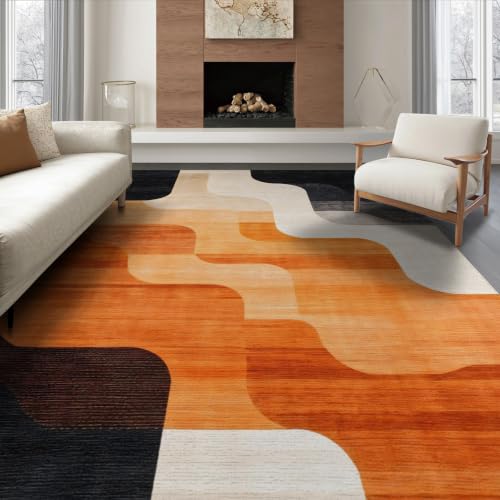
ODIKA 6'x9' Black Burnt Orange Copper Abstract Wave Washable Area Rug | Modern Dynamic Geometric Flow Design Easy Care, Non-Shedding, for Queen Size Bedroom Under Bed Master Suite
Check price on AmazonFinal Thoughts on Bedroom Traffic Flow
Mastering bedroom traffic flow is about more than just moving furniture—it's about creating a space that supports your daily routines and promotes relaxation. By following the principles in this guide, you can design a bedroom that feels open, inviting, and perfectly tailored to your lifestyle.
Remember, the best layout is one that works for you. Experiment with different arrangements, use our measurement guidelines, and don't be afraid to adjust until it feels right. For more inspiration, explore our guides on contemporary bedside styling, Nordic bedside styling, classic bedside styling, retro bedside styling, and eclectic bedside styling.
And when you're ready to shop, browse our recommended nightstands above or explore more options in our night stands for sale collection. Whether you need a white nightstand, black nightstand, wood nightstand, or modern nightstand, you'll find the perfect piece to complete your bedroom's flow.