
Oak Nightstand Guide: Buying Tips, Styles & Care Essentials
Everything you need to know before buying an oak nightstand — from solid wood vs. veneer, white oak vs. red oak, sizing, finishes, and long-term care. Make a confident, informed purchase.
SHOP OAK NIGHTSTANDSWhy Oak? Oak has been a cornerstone of fine furniture for centuries. Its exceptional hardness, beautiful grain patterns, and natural resistance to wear make it one of the best woods for a nightstand. Whether you prefer the cool tones of white oak or the warm hues of red oak, this guide will help you choose the right oak nightstand for your bedroom — and keep it looking beautiful for decades.
Why Oak Is One of the Best Woods for a Nightstand
Oak is a hardwood known for its density, durability, and stunning grain. Unlike softwoods such as pine, oak resists dents, scratches, and everyday wear — critical qualities for a piece of furniture that holds lamps, books, glasses, and electronics. The wood also accepts stains and finishes beautifully, allowing it to blend into virtually any interior style, from rustic nightstands to modern nightstands and even mid-century nightstands.
Another reason oak shines as a nightstand material is its natural resistance to moisture and decay. The tight grain structure of oak makes it less prone to warping than many other woods — a crucial advantage in bedrooms where humidity can fluctuate. If you're comparing materials more broadly, our material & finish hub breaks down how oak stacks up against walnut, pine, mango wood, and teak.
✓ Advantages of Oak Nightstands
- Exceptional hardness and dent resistance
- Beautiful, distinctive grain patterns
- Excellent stain and finish compatibility
- Naturally resistant to moisture and decay
- Increases in character with age
- Repairable and refinishable for decades
- Timeless appeal across interior styles
✗ Considerations Before Buying
- Higher cost than pine or engineered wood
- Heavier than most alternative materials
- Can be sensitive to extreme humidity changes
- Red oak grain can look busy in small rooms
- Requires periodic maintenance to stay pristine
- Solid oak pieces may require two people to move
Solid Oak vs. Oak Veneer: Which Should You Choose?
This is the single most important decision when buying an oak nightstand. Both options have merits, but they serve different budgets and expectations. Understanding the difference will save you from disappointment — and help you avoid a common nightstand buying mistake.
| Feature | Solid Oak | Oak Veneer |
|---|---|---|
| Construction | 100% solid oak wood throughout | Thin oak layer over particle board or MDF |
| Durability | Exceptional — lasts generations | Moderate — can chip or peel over time |
| Repairability | Can be sanded and refinished multiple times | Limited — veneer is too thin to sand |
| Weight | Heavy and substantial | Lighter and easier to move |
| Moisture Resistance | Excellent natural resistance | Depends on substrate; can swell if exposed |
| Price Range | $150–$1,200+ | $80–$250 |
| Best For | Long-term investment, daily use | Budget-conscious buyers, low-traffic rooms |
White Oak vs. Red Oak: What's the Difference?
Not all oak is the same. The two main species — white oak and red oak — differ in color, grain, durability, and best-use scenarios. Here's how they compare for nightstand applications.
| Characteristic | White Oak | Red Oak |
|---|---|---|
| Color | Cool, grayish-brown to pale tan | Warm, reddish-brown with pink undertones |
| Grain | Tighter, more subtle grain | More open, pronounced grain pattern |
| Hardness (Janka) | 1,360 lbf — slightly harder | 1,290 lbf — slightly softer |
| Moisture Resistance | Excellent — naturally water-resistant | Good — but more porous |
| Best Style Match | Modern, Scandinavian, minimalist | Rustic, traditional, farmhouse |
| Price | $200–$1,500+ | $150–$1,200+ |
White oak has become the darling of contemporary interiors thanks to its cooler, more neutral tones and tighter grain. It pairs beautifully with minimalist nightstands and floating nightstands. Red oak, with its warmer, more rustic character, is a natural fit for rustic nightstands and traditional bedrooms. If you're still exploring wood species, our walnut nightstand guide and teak nightstand guide offer useful comparisons.
Popular Oak Nightstand Styles
Oak's versatility means it works across a wide range of design aesthetics. Here are the most popular styles you'll find — and what to look for in each.
Modern Oak Nightstands
Clean lines, minimal hardware, and often a natural or whitewashed finish. Look for modern nightstands with slim legs and soft-close drawers.
Rustic Oak Nightstands
Distressed finishes, visible knots, and sturdy construction. Red oak is the classic choice here. See our rustic nightstands collection for inspiration.
Mid-Century Oak Nightstands
Tapered legs, angled profiles, and warm honey-toned finishes. Oak's grain shines in mid-century nightstands.
Floating Oak Nightstands
Wall-mounted designs that save floor space and create a sleek, modern look. Explore floating nightstands for small bedrooms.
Oak Nightstands with Charging
Built-in USB ports and outlets combine timeless oak with modern convenience. Browse nightstands with charging stations.
Two-Drawer Oak Nightstands
Maximum storage without sacrificing style. Ideal for readers and anyone who likes a clutter-free bedside. See two-drawer nightstands.
Sizing Your Oak Nightstand: Height, Width & Placement
An oak nightstand is an investment — make sure it fits your space and your bed. The general rule is that the nightstand top should be roughly level with your mattress top, or within 2–3 inches above or below. This makes it comfortable to reach for a lamp, book, or glass of water while lying down.
- Height: 24–28 inches for most standard beds. Adjust based on your mattress height.
- Width: 18–24 inches for a standard nightstand. Wider if you need more surface area.
- Depth: 16–20 inches. Ensure it doesn't block walkways or closet doors.
- Clearance: Leave at least 2–3 inches between the nightstand and the wall for air circulation.
For a complete breakdown of measurements and room layout, see our nightstand dimension chart and nightstand placement guide. If you're working with a compact bedroom, our corner nightstands and tall nightstands guides offer space-saving alternatives.
Oak Finishes, Hardware & Customization
Oak accepts a wide range of finishes, from natural oil to painted lacquer. The finish you choose dramatically affects the final look and the level of maintenance required.
- Natural oil finish: Enhances grain, feels warm to the touch, requires periodic re-oiling. Best for a natural, organic look.
- Lacquer or polyurethane: Durable, easy to clean, protects against spills. Ideal for high-use nightstands.
- Whitewashed or limed: Lightens the wood for a Scandinavian or coastal feel. Popular in minimalist nightstands.
- Stained: Can mimic walnut, espresso, or gray tones. Explore our nightstand restaining guide if you want to change the color later.
Hardware matters too. Oak nightstands pair well with brass, matte black, or brushed nickel handles. If you're upgrading an existing piece, our nightstand handle guide and hardware upgrade article will help you choose. For drawer quality, check whether the nightstand uses dovetail or stapled drawers and whether it has soft-close drawer glides.
How to Care for Your Oak Nightstand
Oak is durable, but it still needs proper care to look its best for decades. Follow these simple maintenance habits:
- Dust weekly with a soft, dry cloth. Avoid abrasive pads that can scratch the finish.
- Clean spills immediately with a damp cloth, then dry. Oak is moisture-resistant, but standing water can damage the finish over time. See our liquid spill cleanup guide.
- Use coasters under drinks and hot items. Our nightstand coasters guide explains why this matters.
- Apply wood conditioner or wax every 6–12 months to nourish the wood and maintain the finish. Our wood sealant guide covers options.
- Avoid direct sunlight to prevent fading. See sun fade protection tips.
- Control humidity — aim for 40–50% relative humidity to prevent cracking or warping. Our moisture protection guide has more details.
If your oak nightstand develops scratches or water rings, don't panic — most issues are fixable. Our scratch touch-up and water ring removal guides walk you through the process. For deeper restoration, see nightstand repainting and vintage nightstand restoration.
What Should You Pay for an Oak Nightstand?
Oak nightstand prices vary widely based on construction, species, brand, and finish. Here's a realistic breakdown of what to expect at each tier:
| Budget Tier | Price Range | What You Get |
|---|---|---|
| Budget | $80–$180 | Oak veneer over engineered wood, basic hardware, limited finish options |
| Mid-Range | $200–$500 | Solid oak or oak veneer with solid wood frame, quality glides, multiple finishes |
| Premium | $600–$1,200 | 100% solid oak, dovetail drawers, soft-close hardware, hand-finished details |
| Luxury / Custom | $1,500+ | Custom-built, premium white oak, artisan finishes, made-to-order dimensions |
For more budget-specific recommendations, explore our affordable nightstand picks, mid-range nightstand picks, and high-end nightstand collections. If you're hunting for a deal, our nightstand deals guide is a must-read.
Ready to Choose Your Oak Nightstand?
Use our recommended product selection below to compare top-rated oak nightstands. Each listing is curated based on durability, design, and value — so you can shop with confidence.
VIEW RECOMMENDED OAK NIGHTSTANDSRecommended Oak Nightstands
⚠️ AFFILIATE DISCLOSURE: This website contains affiliate links. As an affiliate Associate, we earn from qualifying purchases. If you make a purchase through these links, we may receive a small commission at no additional cost to you. Read our full affiliate policy.
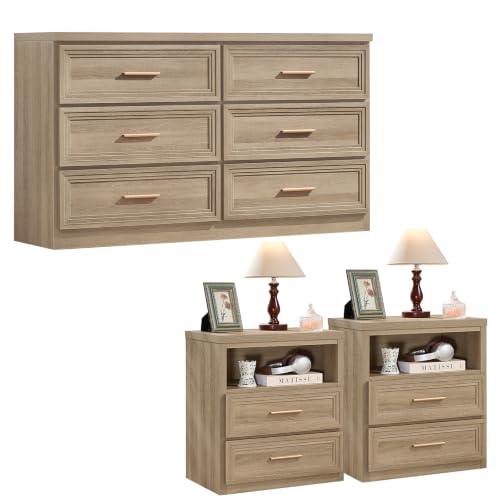
RWYHG Dresser and Nightstand Sets 3 Piece, 6-Drawer Dresser, Oak
Check price on Amazon
Signature Design by Ashley Light Oak Nightstand with USB Ports & Drawer | 1 drawer and open shelf, Replicated oak grain decorative laminate, Built-in USB-A and USB-C ports, Prandefort Series
Check price on Amazon
Decofy 23'' Wide Fluted Nightstand Set of 2 with Charging Station, Oak | Beside Table with Drawers & Open Shelf, Mordern Large Night Stand with Curved Corners, Wood End Table for Bedroom
Check price on Amazon
FurniXpress Fluted Nightstand with 2 Drawers, 23.6-Inch Wide, Natural Oak | Modern bedside table for a calm, organized bedroom; ribbed fronts, light wood tones and handleless lines add Japandi appeal
Check price on Amazon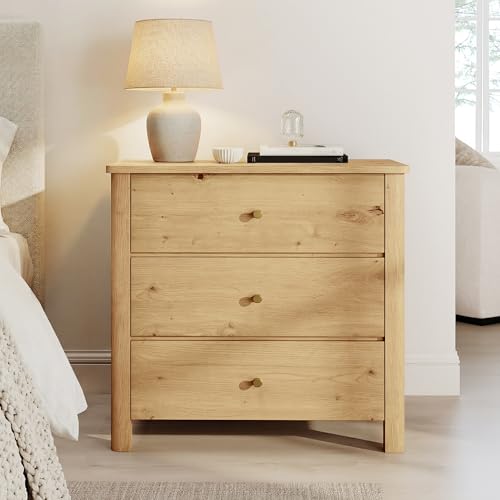
Insdq Large Oak Wood Nightstand with 3 Drawers for Bedroom | 27" Tall Modern Mid Century Bedside Tables for King & Queen Beds, Sturdy Dresser Nightstands, Natural Grain
Check price on Amazon
Signature Design by Ashley Battelle Nightstand, Mid Century Modern 2 Drawer Bedside Table, Engineered Wood Construction for Bedroom Storage, Light Oak Finish, 22 inches W
Check price on AmazonFrequently Asked Questions About Oak Nightstands
Is solid oak better than oak veneer for a nightstand?
Solid oak offers superior durability, repairability, and longevity, making it ideal for long-term investment. Oak veneer is more affordable and stable in humid conditions but can chip and cannot be sanded down as easily. For a nightstand used daily, solid oak is generally the better choice if budget allows.
How much should I expect to pay for a quality oak nightstand?
Expect to pay around $150 to $400 for a solid oak nightstand from a reputable brand. Premium handcrafted or designer solid oak nightstands can range from $500 to $1,200 or more. Oak veneer nightstands typically cost between $80 and $250.
How do I care for an oak nightstand?
Dust regularly with a soft cloth, clean spills immediately, and avoid harsh chemicals. Use coasters under drinks and apply a wood conditioner or furniture wax every 6 to 12 months to maintain the finish. Keep the nightstand away from direct sunlight and excessive moisture.
What is the difference between white oak and red oak?
White oak has a tighter grain, is more water-resistant, and features a cooler, grayish-brown tone. Red oak has a more open grain, a warmer reddish hue, and is slightly less durable. White oak is generally preferred for modern and Scandinavian styles, while red oak suits rustic and traditional interiors.