
Leather Conditioner Guide: How to Clean, Condition & Protect Leather
Everything you need to know about keeping leather furniture, sofas, and upholstery soft, supple, and protected for years. Learn the right products, techniques, and schedules.
Why Leather Conditioning Matters: Leather is skin. Without regular conditioning, it dries out, cracks, fades, and loses its natural suppleness. A proper conditioning routine can add years to the life of your leather furniture and preserve its luxurious appearance.
Recommended Leather Conditioners
⚠️ AFFILIATE DISCLOSURE: This website contains affiliate links. As an affiliate Associate, we earn from qualifying purchases. If you make a purchase through these links, we may receive a small commission at no additional cost to you. Read our full affiliate policy.

Bick 4 Leather Conditioner & Cleaner, Won't Darken Boots, Couch, Bags 8 oz | Made in USA, For Shoes, Furniture, Jackets, Auto Interiors, Apparel & Accessories
Check price on Amazon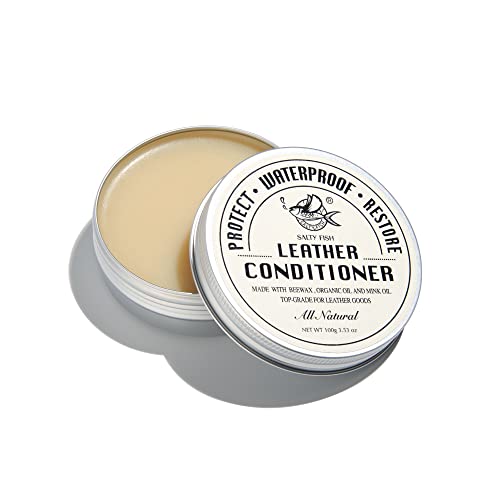
SALTY FISH All-Natural Leather Conditioner and Cleaner,Made with Mink Oil Beeswax,Protect Soften Waterproof Leather Furniture,Car Seats,Shoes,Boots,Bags (3.53 Oz)
Check price on Amazon
Leathercraft for Beginners: With Easy-to-Do Projects (Dover Crafts: Leather Work)
Check price on Amazon
Tandy Leather Beginner Leather Craft Tools Guide Book - Master Tool Use, Maintenance, and Sharpening with Step-by-Step Illustrations and Techniques
Check price on Amazon
Meguiar's Gold Class Leather Conditioner Spray, 16 Oz | Moisturizes, Helps Prevent Aging, Fading and Drying Out - Keep It Looking and Feeling New, Contains Aloe & UV Protection
Check price on Amazon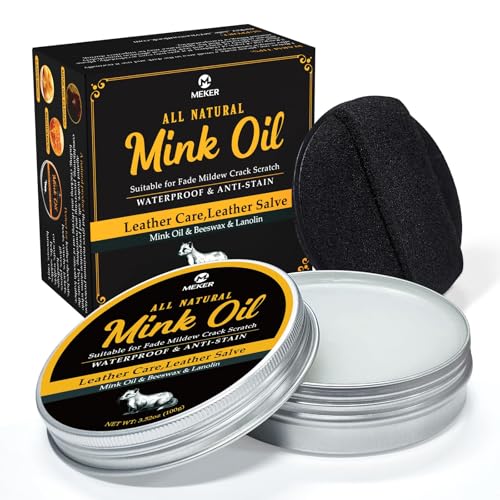
MEKER Mink Oil for Leather Boots, Leather Conditioner and Cleaner 3.52 oz-All-Natural Waterproof Soften and Restore Shoes
Check price on Amazon
Obenauf's Heavy Duty LP Leather Preservative (4oz)- All Natural Beeswax Oil Conditioner- Rejuvenate Restore & Preserve Sunfaded or Cracked Boots Jackets Saddles Car Auto Upholstery Furniture- USA Made
Check price on Amazon
Berkland Exotic Leather Conditioner, 8 fl oz - 3-in-1, Made in the USA | Cleans, conditions & protects ostrich, python, lizard, caiman & snakeskin boots - made in USA
Check price on AmazonWhat Is Leather Conditioner and Why Do You Need It?
Leather conditioner is a specialized product designed to restore and maintain the natural oils in leather. Just like human skin, leather requires moisture and nutrients to stay flexible and resist cracking. Over time, exposure to sunlight, heat, dust, and daily use strips away these natural oils, leaving leather dry, stiff, and vulnerable to permanent damage.
A high-quality conditioner penetrates deep into the leather fibers, replenishing lost oils and creating a protective barrier against future damage. Whether you own a leather sectional sofa, a faux leather sofa, or any other leather upholstery, regular conditioning is the single most important maintenance step you can take.
Key Insight: Leather furniture typically needs conditioning every 6–12 months, depending on climate and usage. In dry or sunny environments, more frequent conditioning—every 3–6 months—may be necessary to prevent drying and cracking.
If you're wondering whether your leather sofa needs professional cleaning or just routine conditioning, the answer usually depends on the type of leather and the level of soiling. For everyday maintenance, conditioning at home is sufficient. For deep stains or significant damage, professional intervention may be required. Understanding the basics of leather sofa cleaning will help you decide.
Types of Leather Conditioners: Which One Is Right for You?
Not all leather conditioners are created equal. The right choice depends on the type of leather you have, its finish, and your specific goals. Here's a breakdown of the most common types:
1. Oil-Based Conditioners
Oil-based conditioners (often containing lanolin, mink oil, or neatsfoot oil) are excellent for deeply nourishing dry, thirsty leather. They penetrate deeply and restore suppleness. However, they can darken light-colored leather and may leave a slightly greasy residue if over-applied. Best for: unfinished or aniline leather, and leather that is very dry.
2. Water-Based Conditioners
Water-based conditioners are gentler and less likely to darken leather. They are ideal for finished, pigmented, or protected leather. They provide lightweight hydration and are less likely to clog pores. Best for: most modern leather sofas, including grey velvet sectional sofas with leather accents, and everyday maintenance.
3. Cream Conditioners
Cream conditioners offer a balance between oil and water-based formulas. They are easy to apply, absorb quickly, and leave a non-greasy finish. Many contain UV inhibitors and protectants. Best for: all-purpose use on finished leather, including navy blue leather sectional sofas and other colored leathers.
4. Wax-Based Conditioners
Wax-based conditioners provide a protective layer on the surface of the leather, offering excellent resistance to water and stains. They are often used on distressed or pull-up leather. However, they may not penetrate as deeply as oil-based products. Best for: distressed wood nightstands with leather accents, and leather that needs surface protection.
5. Specialty Conditioners
Some conditioners are formulated for specific leather types, such as those for modern curved leather sectional sofas or leather modular sofa sectionals. Always check the manufacturer's recommendations for your specific furniture.
| Type | Best For | Pros | Cons |
|---|---|---|---|
| Oil-Based | Dry, aniline leather | Deep nourishment, restores suppleness | Can darken leather, greasy residue |
| Water-Based | Finished, pigmented leather | Gentle, won't darken, lightweight | Less deep penetration |
| Cream | All-purpose | Balanced, easy to apply, non-greasy | May need more frequent application |
| Wax-Based | Distressed, pull-up leather | Excellent surface protection | Less deep conditioning |
When choosing a conditioner for your leather corner sectional sofa or any other piece, consider the leather's finish and your climate. If you're unsure, test a small hidden area first. For more tips on maintaining different upholstery materials, see our fabric protector guide and fabric durability ratings.
How to Condition Leather Furniture: Step-by-Step Guide
Proper technique is just as important as the product you choose. Follow these steps for best results:
Step 1: Clean the Leather First
Never apply conditioner to dirty leather. Dust, oils, and grime will get pushed into the pores, causing damage. Start by vacuuming the surface with a soft brush attachment to remove loose debris. Then, use a dedicated leather cleaner or a mild soap solution (a few drops of mild dish soap in distilled water) with a soft cloth. Wipe gently, then dry with a clean, lint-free cloth. For a complete cleaning routine, refer to our leather sofa cleaning guide.
Step 2: Test in an Inconspicuous Area
Before applying conditioner to the entire piece, test it on a small, hidden area (like the back or underside of a cushion). Wait 24 hours to ensure no discoloration or adverse reaction occurs. This is especially important for lighter-colored leathers, such as oatmeal-colored sectional sofas or light green sectional sofas with leather elements.
Step 3: Apply the Conditioner
Apply a small amount of conditioner to a soft, clean cloth or sponge. Never apply directly to the leather, as this can cause over-saturation. Work in small sections, using gentle circular motions. Allow the conditioner to penetrate for a few minutes. For oil-based products, you may need to let it sit longer.
Step 4: Buff Away Excess
After the conditioner has had time to absorb, buff the surface with a clean, dry cloth to remove any excess product. This prevents a greasy feel and ensures an even finish. Pay attention to seams and crevices where excess product can accumulate.
Step 5: Allow to Dry
Let the leather dry naturally, away from direct heat or sunlight. Do not use a hair dryer or heater, as this can damage the leather. Once dry, the leather should feel soft and supple, not greasy.
Pro Tip: For best results, condition your leather furniture at least twice a year—more often if you live in a dry climate or have pets. Mark your calendar or set a reminder so you don't forget.
If you're also caring for other upholstery, our guides on how to clean sofa fabric and fabric sofa cleaning can help you maintain a consistently beautiful home. And for those considering memory foam sofas or performance fabric sofas, proper maintenance is just as crucial.
How to Choose the Best Leather Conditioner
With so many options on the market, it can be overwhelming to pick the right one. Here are the key factors to consider:
Leather Type
Identify your leather type first. Is it aniline (unprotected), semi-aniline, pigmented (protected), or bonded? Each requires a different approach. For example, faux leather sofas may not need conditioning at all, while aniline leather benefits from oil-based conditioners.
Ingredients
Look for conditioners with natural ingredients like lanolin, beeswax, jojoba oil, and coconut oil. Avoid products with harsh chemicals, silicones, or petroleum-based ingredients, which can clog pores and attract dust.
UV Protection
If your furniture is exposed to sunlight, choose a conditioner with UV inhibitors to prevent fading. This is especially important for navy blue sectional sofas with chaise and other dark-colored leathers that are prone to fading.
Ease of Application
Some conditioners come as sprays, others as creams or liquids. Choose a format that you're comfortable applying. Sprays are convenient for large areas, while creams offer more control.
Brand Reputation
Stick with well-known, reputable brands that specialize in leather care. Read reviews and check for certifications. For high-end furniture like high-end sectional sofa brands or luxury sectional sofa brands, using a premium conditioner is a wise investment.
If you're in the market for new leather furniture, our guides on leather sectional sofas and modern reclining sofa sectionals can help you make an informed choice. And don't forget to check out our first sofa checklist if you're buying your first leather piece.
Common Leather Conditioning Mistakes to Avoid
Even well-intentioned care can go wrong. Avoid these common pitfalls:
- Over-conditioning: Applying too much product or conditioning too frequently can clog pores, attract dirt, and cause a sticky residue. Stick to the recommended schedule.
- Using the wrong product: Using a conditioner designed for smooth leather on suede or nubuck will ruin the texture. Always match the product to your leather type.
- Skipping cleaning: Conditioning over dirt traps grime in the leather. Always clean first.
- Applying directly to leather: Pouring or spraying conditioner directly onto leather can cause uneven absorption and staining. Always apply to a cloth first.
- Using household products: Products like baby oil, olive oil, or vinegar can damage leather over time. Use only products specifically formulated for leather.
- Ignoring seams and crevices: These areas collect dirt and need gentle cleaning and conditioning too.
- Exposing to direct heat: Drying leather with a hair dryer or placing it near a radiator can cause cracking.
By avoiding these mistakes, you'll keep your leather furniture looking beautiful for years. For more maintenance tips, explore our extend sofa lifespan guide.
How Often Should You Condition Leather?
The frequency of conditioning depends on several factors:
- Climate: Dry climates require more frequent conditioning (every 3–4 months). Humid climates may only need it every 6–12 months.
- Sunlight exposure: Furniture in direct sunlight needs more frequent care to prevent fading and drying.
- Usage: High-use furniture (like a family room sofa) needs conditioning more often than a formal living room piece.
- Leather type: Aniline and unfinished leathers absorb oils faster and may need more frequent conditioning than protected leathers.
- Age: New leather may need less frequent conditioning, while older leather may need more.
A good rule of thumb is to condition your leather furniture every 6–12 months, and to check it every few months. If the leather feels dry or stiff, it's time to condition. If it feels soft and supple, you can wait.
Quick Test: Press your thumb into the leather. If the area around your thumb lightens and then quickly returns to normal, the leather is hydrated. If it stays light or feels dry, it needs conditioning.
Frequently Asked Questions About Leather Conditioner
Ready to Protect Your Leather Furniture?
Browse our recommended leather conditioners and start preserving your leather sofa, chairs, and upholstery today.
View Recommended ProductsRelated Guides & Resources
Explore more of our comprehensive furniture care and buying guides:
- Leather Sofa Cleaning: A Complete Guide
- Leather Sectional Sofas: Buying Guide
- Faux Leather Sofas: Pros, Cons & Care
- Fabric Protector Guide
- Fabric Durability Ratings Explained
- How to Clean Sofa Fabric
- Fabric Sofa Cleaning Tips
- How to Extend Your Sofa's Lifespan
- First Sofa Checklist
- High-End Sectional Sofa Brands
- Luxury Sectional Sofa Brands
- Memory Foam Sofas Guide
- Performance Fabric Sofas
- Modern Reclining Sofa Sectionals
- Leather Corner Sectional Sofas
- Leather Modular Sofa Sectionals
- Navy Blue Leather Sectional Sofas
- Modern Curved Leather Sectional Sofas
- Distressed Wood Nightstands