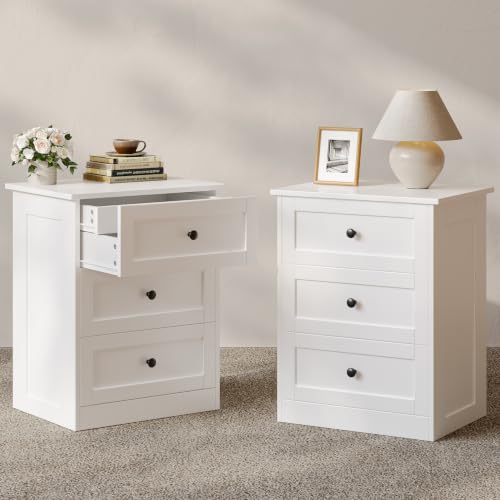
Why a Dresser and End Tables Belong Together
A bedroom dresser and end tables work as a system. The dresser handles the bulk of your clothing and linen storage, while end tables—often used as side tables for master bedroom setups—keep daily essentials within arm's reach of the bed. When chosen together, they create visual rhythm and make a room feel intentional rather than assembled piece by piece.
If you are building a bedroom from scratch, coordinating these pieces prevents the common mistake of buying a dresser that is too tall or too deep for the space beside your bed. The goal is a unified look where materials, finishes, and hardware speak the same design language.
Sizing Your Dresser and End Tables Correctly
Getting the proportions right is the single most important step. An oversized dresser can swallow a small bedroom, while end tables that are too short feel disconnected from the bed. A useful starting point is to understand the typical height of a nightstand, which generally sits within a few inches of your mattress top—usually 24 to 28 inches. Your end tables should follow the same rule so they are comfortable to reach from bed.
For the dresser, measure the longest uninterrupted wall in your bedroom. A standard dresser runs 60 to 72 inches wide, 18 to 20 inches deep, and 30 to 36 inches tall. Leave at least 30 inches of clear floor space in front of drawers so they can open fully. If your room is tight, a narrow end table with storage can replace a bulky nightstand without sacrificing function.
Quick Size Reference
| Piece | Typical Width | Typical Depth | Typical Height |
|---|---|---|---|
| Dresser (double) | 60–72 in | 18–20 in | 30–36 in |
| Dresser (single) | 36–48 in | 18–20 in | 30–36 in |
| End table / nightstand | 18–24 in | 16–20 in | 24–28 in |
Matching Styles: From Modern to Rustic
Style cohesion is what separates a polished bedroom from a cluttered one. If your dresser is a clean-lined modern piece, your end tables should echo that simplicity. A modern end table for bedroom with a single drawer and slim legs pairs beautifully with a low-profile dresser. Conversely, if you love rustic warmth, a rustic end table with drawers complements a reclaimed-wood dresser.
For a curated, collected look, you can mix finishes as long as you repeat one element—such as brass hardware or walnut tones. A mid-century walnut night stand next to a walnut dresser creates a seamless mid-century bedroom, while a white three-drawer night stand keeps a bright, airy palette consistent.
Matched Set (Dresser + End Tables)
- Guaranteed visual harmony
- Easier to buy in one purchase
- Consistent hardware and finish
Mixed Styles (Curated Look)
- More personality and depth
- Easier to upgrade one piece at a time
- Requires a shared color or material anchor
Materials and Finishes That Last
Solid wood remains the gold standard for durability, but engineered wood with quality veneers offers excellent value. A wood night stand with drawers in oak or walnut ages gracefully and can be refinished. If you prefer a lighter, coastal feel, a white side table with drawers in painted poplar or MDF resists moisture and wipes clean easily.
Metal accents add contrast. A black night stand with drawer in powder-coated steel works well beside an industrial dresser. For a touch of luxury, a marble side table with storage introduces a cool, elegant surface that pairs with almost any dresser finish.
Storage Strategies: Drawers, Doors, and Hidden Compartments
Think about what you actually store. Dressers typically hold folded clothing, bedding, and off-season items, so deep drawers with smooth glides matter. End tables usually store books, chargers, glasses, and medications—so a mix of open and closed storage works best. A side table with hidden storage keeps clutter out of sight, while a square side table with storage maximizes a compact footprint.
If you need charging convenience, look for a side table with charging port or add an in-drawer USB charging station to your dresser. This is especially useful for a bedside lamp with power outlet setup, reducing cable clutter on the tabletop.
Buying Guide: Budgets and Market Prices
Prices vary widely by material and brand. Here is a realistic snapshot of what you can expect to pay for quality pieces today:
- Budget dresser: $250–$600 (engineered wood, basic hardware)
- Mid-range dresser: $600–$1,500 (solid wood veneers, soft-close drawers)
- Premium dresser: $1,500+ (solid hardwood, dovetail joinery)
- End tables (pair): $120–$500 for both, depending on material and features
- Matched dresser and end table set: $800–$2,500
If you are furnishing a guest room, a dresser and bedside table set is a cost-effective way to get a coordinated look. For a primary suite, invest in a 2 nightstands and dresser set that will stand up to daily use.
Layout and Placement Tips
Symmetry is your friend in the bedroom. Place your dresser on the wall opposite or adjacent to the bed, and position end tables on either side of the bed at equal distances. If your bed is a platform style, consider night stands for platform beds that sit lower to the floor. For a truly integrated look, a bed with built-in nightstands eliminates the need for separate side tables entirely.
In smaller rooms, a small corner table for bedroom can serve as an end table without blocking walkways. And if you need extra surface area, a bedside tray table with wheels is a flexible, mobile solution.
Styling and Accessories
Once the furniture is in place, styling brings it to life. A tall bedside lamp for bedroom adds vertical interest and reading light. If you prefer a softer glow, a battery-powered LED table lamp offers cordless convenience. For a touch of glamour, a small antique brass table lamp or a luxury table lamp for bedroom elevates the vignette.
On the dresser, use a tray or a bedside caddy (if you need a portable option) to corral small items. A bedside water carafe with tray is both practical and elegant, encouraging you to stay hydrated through the night. For those who work or read in bed, a wall-mounted bed reading lamp frees up tabletop space.
Dresser and End Table Comparisons
Choosing between a matched set and individual pieces? A farmhouse nightstand set of 2 pairs well with a farmhouse dresser for a cohesive rustic look. If you want a touch of glam, a mirrored nightstands set of 2 reflects light and adds sparkle. For a minimalist aesthetic, a oversized nightstand set of 2 provides generous surface area without feeling heavy.
When space is at a premium, a narrow end table for bedroom or a tall night stand with drawers can replace a traditional wide dresser for smaller storage needs. And for a truly custom feel, a bedside table attached to bed or a bedside table higher than bed can solve specific ergonomic challenges.
Final Thoughts: Build a Bedroom That Works
Your bedroom dresser and end tables are investments in daily comfort. By measuring carefully, choosing materials that suit your lifestyle, and coordinating styles thoughtfully, you create a space that feels both organized and inviting. Whether you lean toward a mid-century side table in walnut or a white side table with storage, the right pairing will serve you for years.
Ready to shop? Explore our recommended pieces below, hand-picked to cover a range of styles and budgets. Compare options, read the details, and choose the dresser and end tables that make your bedroom feel complete.