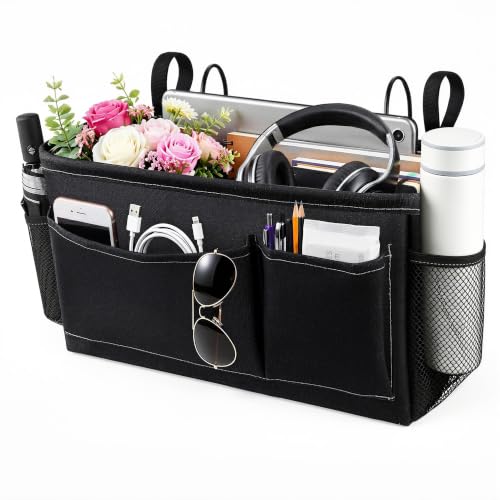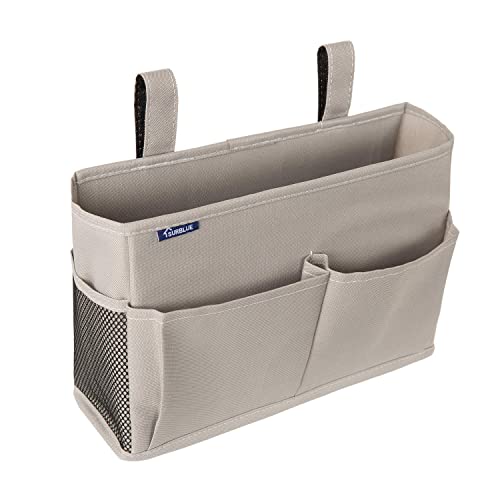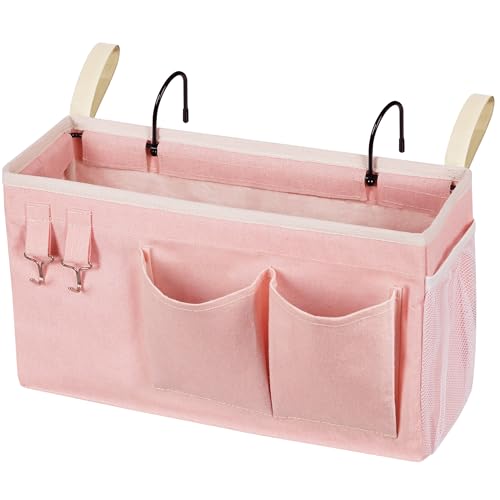
When a loved one is confined to a hospital bed—whether at a medical facility or at home—having essential items within arm's reach is crucial for comfort, safety, and independence. A bedside caddy for hospital bed is a simple yet transformative accessory that attaches to the bed rail, providing instant storage for glasses, medications, phones, remote controls, water bottles, and more. Unlike traditional nightstands, which may be too far or too low for a patient with limited mobility, a bedside caddy is designed to move with the bed and keep everything accessible.
This guide will walk you through everything you need to know about choosing the best hospital bed organizer, including types, materials, installation, and key features to look for. We'll also answer common questions and help you avoid mistakes that could compromise patient safety or comfort. By the end, you'll be ready to make an informed purchase that enhances daily living for anyone spending extended time in bed.
Why a Bedside Caddy is Essential for Hospital Beds
Hospital beds are adjustable, which means the distance between the patient and a traditional nightstand changes frequently. A bedside caddy solves this problem by attaching directly to the bed frame or side rail. It ensures that critical items are always within reach, reducing the need to call for assistance and lowering the risk of falls or strain. For caregivers, a well-designed caddy means fewer trips to retrieve dropped items and more time focused on care.
Moreover, a bedside caddy helps maintain a clean and hygienic environment—a top priority in medical settings. By keeping personal items organized and off the floor, you reduce clutter and minimize the risk of contamination. Whether you're setting up a recovery room at home or looking for a thoughtful gift for a patient, this accessory is a practical and compassionate choice.
Types of Bedside Caddies for Hospital Beds
Not all bedside caddies are created equal. The right one depends on the type of bed, the patient's needs, and the items that need to be stored. Here are the most common types:
1. Hanging Bedside Caddies
These are the most popular and versatile option. They feature straps or hooks that loop around the bed rail, allowing the caddy to hang securely on the side of the bed. Most hanging caddies have multiple pockets of varying sizes to accommodate everything from a smartphone to a magazine. They are typically made of durable fabric like nylon or canvas and are easy to install and remove.
2. Clamp-On or Clip-On Caddies
Clamp-on models use a sturdy clamp or clip mechanism to attach to the bed rail. They are ideal for beds with thicker rails or for patients who need a more secure attachment. Some clamp-on caddies can also be rotated or adjusted, making them suitable for both sides of the bed. These are often made of plastic or metal and are easy to clean.
3. Bed Rail Organizers
These are specifically designed to fit over the top of a bed rail, providing a flat surface as well as pockets. They are excellent for beds with standard hospital rails and offer a combination of storage and a small tray area for meals or books. Many bed rail organizers are padded for comfort and feature non-slip backing.
4. Over-the-Bed Tables with Storage
While not strictly a caddy, an over-the-bed table with built-in compartments can serve a similar purpose. These tables span across the bed and provide a stable surface for eating, reading, or using a laptop, often with side pockets or drawers for organization. They are a good choice for patients who need a more permanent solution. For those looking for a dedicated bedside surface, consider a bedside tray table with wheels that can be moved easily.
Key Features to Look For
When shopping for a bedside caddy for a hospital bed, keep these features in mind to ensure you choose a product that is safe, durable, and practical:
- Material: Look for heavy-duty, easy-to-clean materials such as 600D Oxford cloth, nylon, or medical-grade plastic. These resist spills, stains, and wear.
- Attachment Mechanism: Ensure the caddy attaches securely to your specific bed rail. Some use Velcro, snaps, or adjustable straps; others use clamps. Measure your bed rail's circumference before buying.
- Number and Size of Pockets: Consider what the patient needs to store. A good caddy should have a mix of deep pockets for water bottles and books, and smaller pockets for phones, glasses, and medications.
- Weight Capacity: Check the maximum weight the caddy can hold. Overloading can cause it to sag or detach, which could be dangerous.
- Ease of Cleaning: In a hospital or home care setting, hygiene is paramount. Removable, machine-washable liners or wipeable surfaces are a big plus.
- Adjustability: Some caddies can be rotated or repositioned, which is helpful if the patient switches sides or if the bed is adjusted frequently.
- Safety: Avoid caddies with sharp edges or loose straps that could become entangled. Ensure the caddy does not interfere with bed controls or side rail operation.
Pro Tip: If you're also looking to improve the patient's environment, consider a bedside water carafe with tray to keep hydration within reach, or a bedside step stool with handle for safer transfers in and out of bed.
How to Choose the Right Size and Placement
Before purchasing, measure the bed rail where you plan to attach the caddy. Most hospital beds have rails that are either round or flat, and the circumference can vary. A caddy that is too loose may slide around, while one that is too tight may be difficult to install. Also, consider the height of the bed and the patient's reach. The caddy should be positioned so that the most frequently used items are at arm's length without requiring the patient to stretch or twist.
For beds with adjustable height, a hanging caddy that can be moved up or down is ideal. If the bed is positioned against a wall, a caddy that hangs on the outside of the rail may be more accessible. In some cases, a bedside table attached to bed could be a better alternative, as it provides a stable surface rather than just pockets.
Installation and Safety Tips
Proper installation is key to getting the most out of your bedside caddy. Follow these steps:
- Read the manufacturer's instructions carefully.
- Clean the bed rail to remove dust or oils that could affect adhesion.
- Attach the caddy securely, ensuring all straps or clamps are tightened.
- Test the caddy with light items first, then gradually add weight.
- Check periodically for wear and tear, especially if the bed is adjusted often.
- Ensure the caddy does not obstruct any moving parts of the bed or emergency controls.
If the patient has cognitive or physical limitations, consult with an occupational therapist or nurse to ensure the caddy is appropriate and does not pose a risk. For those who need a more robust storage solution, a nightstand with pull-out tray can complement a bedside caddy by providing additional surface area.
Maintenance and Cleaning
To keep the bedside caddy hygienic, clean it regularly according to the manufacturer's instructions. Most fabric caddies can be wiped down with a disinfectant wipe or washed in a machine on a gentle cycle. Plastic caddies can be cleaned with soap and water or a hospital-grade disinfectant. Avoid using harsh chemicals that could damage the material or leave residue. If the caddy has removable pockets or liners, wash them separately.
Price Range: What to Expect
Bedside caddies for hospital beds are generally affordable, with prices ranging from $15 to $60 depending on the material, brand, and features. Basic fabric models start around $15–$25, while premium options with multiple compartments, durable clamps, or additional accessories can cost $40–$60. For a more permanent solution, over-the-bed tables with storage can range from $80 to $250. Investing in a higher-quality caddy often pays off in durability and ease of use.
Frequently Asked Questions
Can a bedside caddy fit any hospital bed?
Most caddies are designed to fit standard hospital bed rails, but it's important to check the attachment mechanism and rail dimensions. Some are adjustable and can fit a wide range of rails, while others are specific to certain bed models.
Are bedside caddies safe for patients with dementia?
Safety depends on the individual. For patients with dementia, avoid caddies with small detachable parts or cords that could be a choking hazard. A simple, securely attached caddy with no loose items is best. Consult a healthcare professional for personalized advice.
How much weight can a bedside caddy hold?
Weight capacity varies by product. Most fabric caddies can hold 5–10 pounds, while heavy-duty models may support up to 20 pounds. Always adhere to the manufacturer's guidelines to prevent sagging or detachment.
Can I use a bedside caddy on a regular bed?
Yes, many bedside caddies are versatile and can be used on regular beds with a bed rail or even on a headboard. However, for a standard bed without rails, you might prefer a bedside table higher than bed for more stability.
Conclusion
A bedside caddy for a hospital bed is a small investment that can significantly improve the quality of life for patients and caregivers alike. By keeping essentials organized and within reach, it promotes independence, reduces stress, and supports a safer recovery environment. Use this guide to select the best caddy for your needs, and don't forget to explore our recommended products below to find top-rated options.