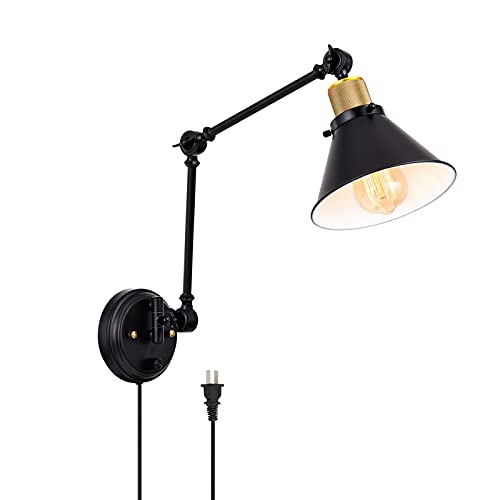
What Is a Wall Mounted Bedside Lamp Plug In?
A wall mounted bedside lamp plug in is a lighting fixture designed to be mounted directly onto your bedroom wall, typically above or beside your bed, that connects to power via a standard electrical cord and plug rather than being hardwired into your home's electrical system. This distinction is crucial for homeowners and renters alike, as it eliminates the need for an electrician, drywall cutting, or permanent modifications.
These lamps are available in a wide variety of styles, from sleek swing arm table lamps for bedroom designs that offer adjustable directional light, to minimalist sconces that blend seamlessly into your wall. The plug-in mechanism means you can install one in minutes using basic tools, and if you ever want to relocate it, you simply unmount it and patch a few small screw holes.
Key Benefits of Plug-In Wall Mounted Bedside Lamps
Choosing a plug-in wall lamp over a traditional table lamp or hardwired sconce comes with several distinct advantages that make it a smart choice for modern bedrooms.
✅ Advantages
- No Electrician Needed: Install it yourself in under 30 minutes.
- Renter-Friendly: No permanent wiring changes, making it ideal for apartments.
- Space-Saving: Frees up your nightstand surface for books, phones, and decor.
- Flexible Placement: Mount at the perfect height for your reading position.
- Cost-Effective: Typically less expensive than hardwired fixtures plus installation.
- Easy to Relocate: Move it to another wall or room whenever you want.
⚠️ Considerations
- Visible Cord: The power cord must be managed, though cable covers help.
- Outlet Dependent: Requires a nearby electrical outlet for the plug.
- Less Custom Look: Hardwired sconces can offer a cleaner, built-in appearance.
- Weight Limits: Heavier lamps may require more robust wall anchors.
Pro Tip: If you're concerned about cord visibility, look for plug-in wall lamps with fabric-covered cords or those designed with a cord cover channel. You can also pair your lamp with a small bedroom lamp with USB ports to charge devices right at the bedside without extra adapters.
How to Choose the Right Plug-In Wall Lamp for Your Bedroom
Selecting the ideal wall mounted bedside lamp involves considering several factors, from the size of your bed to the style of your bedroom decor.
1. Measure Your Space and Bed Height
Before you buy, measure the distance from your mattress top to the wall where you plan to mount the lamp. A general rule of thumb is to mount the lamp 24 to 30 inches above the mattress for optimal reading light. If you have a bedside step stool for high beds, you may need to adjust this height accordingly. For a cohesive look, consider how the lamp will interact with your existing king bed frame and nightstand set.
2. Decide on the Light Direction and Control
Do you prefer a focused reading light or a soft ambient glow? Swing-arm models allow you to direct light precisely where you need it, making them excellent for reading in bed. Look for lamps with built-in dimmers or touch controls for added convenience. If you often charge devices overnight, a model like a dimmable table lamp with USB port offers similar functionality in a tabletop format, but a wall-mounted version with these features is even more space-efficient.
3. Consider the Cord and Plug Location
The length of the power cord and the location of your nearest outlet are critical. Measure the distance from your intended mounting spot to the outlet. If the cord is too short, you'll need an extension cord, which can be a tripping hazard. Many plug-in wall lamps come with 6 to 8 feet of cord, which is usually sufficient for standard bedroom layouts. For a cleaner look, consider a lamp with a cord that can be easily concealed using a paintable cord cover.
4. Match the Style to Your Bedroom Decor
Your wall lamp should complement your existing furniture. A mid-century modern bed side table pairs beautifully with a brass or walnut-toned swing arm lamp. If your room features dark wood side tables with drawers, a black or bronze sconce will create a cohesive look. For a soft, romantic bedroom, consider a small side table lamp for bedroom style that has been adapted for wall mounting. Don't forget to check our guide on can nightstand be higher than bed to ensure your entire bedside setup is proportionate.
Installation Guide: Mounting Your Plug-In Wall Lamp
One of the biggest advantages of a plug-in wall lamp is the ease of installation. Here's a step-by-step overview:
- Choose the Location: Hold the lamp against the wall at your desired height and mark the screw holes with a pencil. Use a level to ensure it's straight.
- Prepare the Wall: If you're mounting into drywall without a stud, use self-drilling wall anchors rated for the lamp's weight. For heavier lamps, locate a stud using a stud finder.
- Mount the Bracket: Screw the mounting bracket securely into the wall.
- Attach the Lamp: Slide the lamp onto the bracket and tighten any set screws.
- Manage the Cord: Run the cord down the wall to the nearest outlet. Use adhesive cord clips or a cord cover to keep it neat.
- Plug In and Test: Plug the lamp into the outlet and test the switch or dimmer.
For a more detailed walkthrough on assembling bedside furniture, you might find our bedside table with slide out tray guide helpful, as many of the same principles apply.
Styling Ideas for Your Wall Mounted Bedside Lamp
A wall-mounted lamp is not just functional—it's a design statement. Here are a few styling ideas to inspire you:
- Symmetry: Mount two identical lamps on either side of your bed for a balanced, hotel-like look. This works particularly well with a queen bed frame with side tables.
- Mix and Match: Pair a wall lamp on one side with a small wood side table with drawer on the other for an eclectic, curated feel.
- Layered Lighting: Combine your wall lamp with a table lamp with night light base for adjustable ambiance.
- Minimalist Approach: If you have a modern white nightstands set of 2, a sleek, matte black or white plug-in sconce will enhance the clean lines.
Common Mistakes to Avoid
Even with a simple plug-in installation, there are pitfalls to watch out for:
- Mounting Too High or Too Low: This can cause glare or insufficient light. Always test the height by sitting on your bed before drilling.
- Ignoring Cord Management: A dangling cord ruins the aesthetic. Plan your cord route before mounting.
- Choosing the Wrong Bulb: Ensure the lamp is compatible with the bulb type you prefer (LED, incandescent, smart bulb). Pay attention to the maximum wattage.
- Overloading the Outlet: If you're plugging in multiple devices, use a surge protector. A lamp like a lamp for nightstand with USB port can reduce the need for extra chargers.
Frequently Asked Questions
Can I use a plug-in wall lamp as my only bedside light?
Absolutely. Many people use a single plug-in wall lamp as their primary bedside light source, especially in small bedrooms where nightstand space is limited. Just ensure it provides adequate brightness for reading if that's your primary need.
How do I hide the cord from a plug-in wall lamp?
You can use adhesive cord clips, paintable cord covers (often called raceways), or route the cord behind furniture. Some lamps come with fabric cords that look intentional and can be left visible.
Are plug-in wall lamps safe?
Yes, as long as they are installed correctly and not overloaded. Use appropriate wall anchors, avoid running cords under rugs or through doorways, and never daisy-chain multiple high-wattage devices on one outlet.
What's the difference between a plug-in and a hardwired wall lamp?
A plug-in lamp connects to an outlet via a cord, while a hardwired lamp is connected directly to your home's electrical wiring inside the wall. Plug-in models are easier to install and remove, while hardwired models offer a cleaner, more permanent look.