
Little Side Tables for Living Room: The Ultimate Guide to Small Accent Tables
Transform your living space with perfectly sized side tables. Discover how compact accent tables solve small-space challenges while elevating your home's style and functionality.
Finding the right little side tables for living room spaces can feel like solving a puzzle. Between sofas, armchairs, and traffic flow, every inch matters. Yet a well-chosen small side table doesn't just fill a gap—it becomes an essential anchor for your living room's functionality and aesthetic. Whether you're working with a compact apartment, a cozy reading nook, or simply want to avoid visual clutter in a larger space, understanding how to select and place little side tables is a skill worth mastering.
This comprehensive guide will walk you through everything you need to know about choosing small accent tables that fit your space, style, and lifestyle. From dimensions and materials to placement strategies and styling tips, you'll discover how these versatile pieces can transform your living room into a more functional and beautiful environment.
Why Little Side Tables Are Essential for Modern Living Rooms
Little side tables have evolved from simple utilitarian pieces to design statements that serve multiple purposes. In today's living spaces—where square footage is often at a premium—these compact tables offer practical solutions without overwhelming your room's proportions. They provide convenient surfaces for drinks, books, remotes, and decorative objects while maintaining an open, airy feel that larger furniture simply cannot achieve.
The demand for small accent tables for living room settings has grown significantly as more people embrace minimalist living and multifunctional spaces. These tables work exceptionally well in open-concept layouts where creating distinct zones is essential, and they're equally valuable in traditional living rooms where careful furniture arrangement defines the space.
Beyond practicality, little side tables offer design flexibility that larger pieces cannot match. You can easily swap them out seasonally, experiment with different styles, or move them between rooms as your needs change. This adaptability makes them an excellent investment for anyone who enjoys refreshing their interior décor regularly.
Key Considerations When Choosing Little Side Tables
Understanding Dimensions and Proportions
Size is the most critical factor when selecting little side tables. The perfect table should be roughly the same height as the arm of your sofa or chair—typically between 24 and 28 inches tall. This height allows for comfortable reach without awkward bending or stretching. For those who need precise measurements, understanding the ideal height for side tables can guide your selection process.
Width-wise, look for tables between 16 and 24 inches to maintain the "little" designation. Depth should generally match or slightly exceed the width to create a visually pleasing proportion. For very tight spaces, consider narrow end tables designed for small spaces that provide functionality without consuming valuable floor area.
Material Selection and Durability
The material you choose affects both the aesthetic and longevity of your little side tables. Solid wood options like oak, walnut, or mango offer timeless appeal and exceptional durability. If you prefer a natural look, consider a solid wood side table with storage that combines beauty with practicality. For those drawn to organic warmth, a mango wood side table with storage brings unique grain patterns and sustainable charm.
Metal tables—particularly those in black, brass, or bronze finishes—provide industrial edge and often feature lighter profiles. A black metal side table with drawer offers a striking contrast in neutral rooms while providing essential storage. Marble-topped tables add luxury, while glass and acrylic options create visual lightness perfect for small spaces.
Storage Considerations
Even little side tables can incorporate smart storage solutions. A single drawer keeps remotes, coasters, and reading glasses organized and dust-free. Look for small round side tables with drawer designs that maximize functionality without sacrificing floor space. For those who need more capacity, a side table with drawer for living room use can hide everyday clutter while keeping essentials within reach.
Popular Styles of Little Side Tables
Mid-Century Modern Charm
Mid-century modern design continues to dominate interior trends, and little side tables are no exception. Clean lines, tapered legs, and organic curves define this style. A mid-century side table for living room arrangements brings retro sophistication that pairs beautifully with both vintage and contemporary furniture. The round mid-century modern end table is particularly versatile, softening rectangular room layouts with its gentle silhouette.
Scandinavian Simplicity
Nordic-inspired design emphasizes functionality, natural materials, and understated elegance. Light woods, white finishes, and minimal ornamentation characterize Scandinavian little side tables. A white mid-century modern end table captures this aesthetic perfectly, creating an airy feel that enhances smaller living spaces.
Industrial and Contemporary Edge
For modern living rooms with urban sensibilities, industrial-style little side tables feature metal frames, exposed hardware, and often reclaimed wood surfaces. These tables work exceptionally well in loft apartments and contemporary homes where raw materials are celebrated. Pair them with black coffee tables and end tables for a cohesive, edgy look.
Classic and Traditional Elegance
Traditional little side tables often feature ornate details, rich wood finishes, and timeless silhouettes. A solid wood end table with drawers in a classic design brings warmth and heritage to formal living rooms. For those who appreciate antiques, a cherry wood end table style can work equally well in living room settings, offering rich color and enduring quality.
Strategic Placement of Little Side Tables
Even the most beautiful side table loses its impact if poorly placed. Successful placement considers both function and flow. The primary rule is accessibility—every seating position should have a surface within easy reach. For sofas, place little side tables at each end, approximately 18 to 24 inches from the arm. This distance allows guests to set down drinks comfortably without awkward stretching.
Corner placement offers excellent opportunities for little side tables. A small table for living room corner areas fills dead space while providing a surface for lamps, plants, or decorative objects. Corner tables are particularly effective in rooms with limited wall space, as they don't interfere with traffic patterns.
In open-concept spaces, little side tables can define zones without creating visual barriers. A skinny side table for living room use works beautifully as a subtle divider between living and dining areas, offering both function and spatial definition without the bulk of a console or room divider.
For rooms where traditional side table placement isn't possible, consider a C-shaped side table that slides over sofa arms or chair seats. These clever designs provide surface area exactly where you need it while taking up minimal floor space. Similarly, a floating end table mounted to the wall can serve as a side table in ultra-compact spaces.
Recommended Little Side Tables for Living Room
⚠️ AFFILIATE DISCLOSURE: This website contains affiliate links. As an affiliate Associate, we earn from qualifying purchases. If you make a purchase through these links, we may receive a small commission at no additional cost to you. Read our full affiliate policy.

XBurmo Small Round Coffee Table - 3 Tier Design Accent Table, Narrow Side or Bedside Stand, Industrial Vintage Nightstand for Bedroom, Living Room, or Small Spaces, Rustic Brown
Check price on Amazon
HOOBRO End Table, Small Side Table, Nightstand with 2-Layer Storage Shelves, Sofa Table for Small Spaces, Living Room, Bedroom, Stable Frame, Easy Assembly, Rustic Brown BF09BZ01
Check price on Amazon
SLEEPING LAMB Side Table for Living Room, 3-Tier End Table for Small Space with Wide Storage Tabletop, Rustic Brown Narrow Nightstand for Bedroom, Sofa Couch
Check price on Amazon
PESRAE Floor Lamp with Table, End Tables with Charging Station | USB, Type-C & AC Outlets; 3 Color Temperatures; 9W LED Bulb; Modern Side Table with 3 Shelves for Living Room Home Décor
Check price on Amazon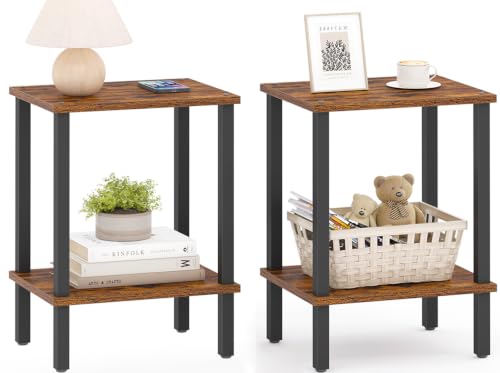
TUTOTAK End Table, Set of 2, Side Table, Nightstand, 2-Tier Storage Shelf | Bedside Table for Small Space, Livingroom, Bedroom, Easy to Assemble, Brown and Black TB01BB035
Check price on Amazon
VASAGLE Side Table, Small End Table, Tall Nightstand, Steel Frame | For Living Room, Bedroom, Office, Bathroom, Rustic Brown and Ink Black ULET273B01
Check price on Amazon
VASAGLE Side Tables Set of 2, Small End Table, Nightstand for Living Room | Bedroom, Office, Bathroom, Rustic Brown and Black, BARNET Collection ULET272B01
Check price on AmazonMaterials That Work Best for Little Side Tables
Wood: Timeless and Versatile
Wood remains the most popular material for little side tables, offering warmth, durability, and endless finishing options. From pale oak to rich walnut, the natural grain of wood adds organic beauty to any living room. A natural wood end table with drawer brings authentic character while providing practical storage.
For those who prefer darker tones, a dark brown end table with drawers creates a grounding presence in the room. Lighter options like a light wood table with drawers can make small spaces feel more open and airy—a crucial consideration for compact living rooms.
Metal: Sleek and Modern
Metal little side tables offer contemporary appeal with exceptional durability. Black metal frames create striking contrast, while brass and bronze add warmth and luxury. A bronze table lamp pairs beautifully with metal tables, creating cohesive metallic accents that elevate the design.
Mixed Materials: The Best of Both Worlds
Combining materials creates visual interest and practical benefits. A marble top side table with storage pairs luxurious stone with functional storage, while wood-and-metal combinations offer warmth with industrial edge. These hybrid designs often become the most versatile pieces in a living room.
Styling Your Little Side Tables Like a Designer
Once you've selected and placed your little side tables, styling transforms them from functional furniture to design features. The key is balancing practicality with aesthetics—your table should look beautiful while remaining useful.
The Rule of Three
Interior designers often work in odd numbers when arranging objects. On a little side table, three items of varying heights create visual interest. Consider a small table lamp, a small stack of books, and a decorative object like a vase or sculpture. This combination provides lighting, entertainment, and visual appeal.
Lighting Considerations
Little side tables frequently serve as lamp bases, making lighting selection crucial. A 3-way table lamp for living room use offers adjustable illumination for different activities and moods. For those who need charging capability, a side table with lamp and USB port combines illumination with modern convenience.
Consider the height relationship between your lamp and table. Understanding proper lamp height ensures your lighting looks proportional and functions effectively. Generally, the lamp should be roughly 1.5 times the height of the table for optimal visual balance.
Seasonal and Functional Styling
Change your little side table styling with the seasons to keep your living room fresh. Spring and summer call for light, airy arrangements with fresh flowers and bright accents. Fall and winter welcome warmer tones, textured throws, and perhaps a wooden table lamp that adds cozy warmth.
Don't forget functionality. A side table with drawer design in the living room keeps essentials like coasters, pens, and chargers organized and accessible. The surface remains styled while the drawer handles practical storage needs.
Common Mistakes to Avoid with Little Side Tables
Even experienced decorators can make mistakes when selecting and placing little side tables. Being aware of these common pitfalls helps you make better decisions.
Choosing the Wrong Height
Tables that are too tall or too short create visual discord and functional discomfort. Always measure your seating furniture before purchasing. The table surface should align closely with the arm height for optimal comfort and aesthetics.
Sacrificing Function for Form
While aesthetics matter, little side tables must serve their purpose. A beautiful table without adequate surface area or stability fails its primary function. Look for designs that balance beauty with practicality—like a small round end table with storage that offers both visual appeal and functionality.
Overcrowding Small Spaces
In compact living rooms, adding too many little side tables creates clutter rather than convenience. Assess your actual needs—often one well-placed table serves better than three poorly positioned ones. For very small spaces, consider a small white side table with drawer that maximizes utility in minimal footprint.
Ignoring Traffic Flow
Little side tables should enhance movement through your living room, not impede it. Leave at least 18 inches of walking space around tables in high-traffic areas. In tight spaces, consider wedge-shaped end tables that fit snugly into corners without blocking pathways.
Your Complete Buying Checklist
Before purchasing little side tables for your living room, run through this essential checklist to ensure you make the right choice.
Space Assessment
Measure your available space carefully, including height restrictions if placing tables near windows or artwork. Consider both floor space and visual space—a table might fit physically but overwhelm the room visually. For challenging spaces, explore unique end tables for small spaces that solve specific spatial problems.
Functional Requirements
Determine what your table needs to do. Will it primarily hold a lamp? Support drinks during entertaining? Store remotes and magazines? Your functional needs dictate features like drawer inclusion, surface material (spills happen), and stability requirements. A tall narrow end table with drawers might suit lamp placement and storage, while a simpler design works for minimal needs.
Style Compatibility
Your little side tables should complement your existing décor without matching too perfectly. Consider your room's dominant style, color palette, and material mix. Mid-century end tables with storage suit modern and transitional rooms, while traditional designs work better in classic settings.
Budget Planning
Little side tables range from affordable finds under $100 to designer pieces exceeding $1,500. Quality solid wood tables typically fall in the $200–$800 range, while premium brands and custom pieces command higher prices. Set your budget before shopping to avoid overspending on impulse purchases.
Final Thoughts: Making Little Side Tables Work for You
Little side tables for living room spaces represent the perfect marriage of form and function. They solve real spatial challenges while offering opportunities for personal expression and design creativity. Whether you're furnishing a compact apartment or adding finishing touches to a spacious home, these versatile pieces deserve careful consideration.
Remember that the best little side table is one that fits your space, serves your needs, and brings you joy every time you see it. Take time to measure, consider your lifestyle, and choose quality pieces that will serve you well for years to come. With the right selection and placement, your little side tables will become indispensable elements of your living room's design and daily life.
Start your search today by exploring our recommended products above, and discover how the perfect little side table can transform your living space into a more functional, beautiful, and welcoming environment.