
Hospital Bed Table: The Ultimate Guide to Overbed Tables for Home Care
Discover how a hospital bed table can transform home care, improve comfort, and provide a stable, accessible surface for meals, medication, and daily activities. Our comprehensive guide covers types, features, sizing, and top recommendations.
VIEW TOP PICKSWhy a Hospital Bed Table Matters: For anyone spending extended time in bed—whether recovering from surgery, managing a chronic condition, or caring for a loved one—a hospital bed table (also known as an overbed table) is more than just furniture. It's a tool for independence, dignity, and comfort. It provides a stable, height-adjustable surface that swings over the bed, allowing users to eat, read, work, or take medication without awkward balancing acts or constant assistance.
What Is a Hospital Bed Table and Who Needs One?
A hospital bed table is a specialized piece of furniture designed to fit over a bed, typically featuring a flat top surface supported by a base with casters (wheels) or a C-shaped frame that slides under the bed. Unlike a standard bedside table or a nightstand nearby, an overbed table is engineered for mobility, adjustability, and easy access from a lying or seated position.
These tables are invaluable for:
- Post-surgery recovery: Patients who need to keep food, water, and medication within reach without twisting or stretching.
- Elderly care: Seniors with limited mobility who spend most of their day in bed or a recliner.
- Chronic illness management: Individuals with conditions that require prolonged bed rest.
- Temporary injury: Anyone recovering from a leg injury, back surgery, or other condition that makes leaving bed difficult.
If you're setting up a home care room, an overbed table often pairs well with a over bedside table or a bed table for maximum convenience. For those with limited space, a space-saving nightstand or narrow side sofa table might complement the setup.
Key Features to Look For in a Hospital Bed Table
Height Adjustability
The most critical feature. A good overbed table should adjust from approximately 28" to 45" to accommodate different bed heights and user positions. Look for pneumatic or spring-assisted adjustment for smooth, effortless changes.
Tilt and Articulation
Some tables offer a tilting top (up to 30 degrees) for reading, writing, or using a laptop. This is especially useful for users who want to work or engage in hobbies from bed.
Sturdy Base & Casters
A stable base prevents tipping. Locking casters keep the table in place during use, while smooth-rolling wheels allow caregivers to move it easily. Look for a C-shaped base that slides under most beds.
Surface Material & Size
Laminate or melamine surfaces are easy to clean and resist spills. The tabletop should be large enough for a meal tray, a laptop, and personal items—typically 30" x 15" or larger.
Weight Capacity
Most overbed tables support 30–50 lbs. If you plan to place heavier items like a medical device or a large monitor, look for a heavy-duty model rated for 50+ lbs.
Easy Assembly & Maintenance
Many models assemble in under 30 minutes with basic tools. Choose a table with a smooth, non-porous surface that can be wiped down with standard disinfectants.
Types of Hospital Bed Tables: Which One Is Right for You?
Not all overbed tables are the same. Here are the main types available:
| Type | Best For | Key Features | Typical Price |
|---|---|---|---|
| Standard Overbed Table | General home care, meals, reading | C-shaped base, height adjustable, locking casters | $80–$200 |
| Tilt-Top Overbed Table | Reading, writing, laptop use | Adjustable tilt (0–30°), split-top or full-tilt surface | $120–$300 |
| Heavy-Duty Overbed Table | Bariatric patients, medical equipment | Reinforced frame, 50+ lb capacity, wider base | $200–$450 |
| Non-Tilt Basic Table | Budget-friendly, simple meals | Fixed flat top, basic height adjustment | $50–$100 |
| Overbed Table with Drawer | Storage for medication, glasses, remote | Integrated drawer or side pocket, tilt option | $150–$350 |
If you're looking for a table that can also serve as a bedside shelf or a nightstand shelf when not over the bed, consider a convertible model. For those who need a more permanent bedside solution, a storage nightstand or a tall narrow nightstand might be a better fit alongside an overbed table.
Pros and Cons of Using a Hospital Bed Table at Home
Advantages
- Promotes independence and dignity
- Reduces strain on caregivers
- Height-adjustable for optimal comfort
- Mobility with locking casters
- Easy to clean and maintain
- Versatile for meals, work, and hobbies
- Can be used with recliners and chairs
Disadvantages
- Can be bulky in small bedrooms
- Higher-quality models are an investment
- May not fit under all bed frames
- Requires some assembly
- Not a substitute for proper medical care
- Limited weight capacity on basic models
Hospital Bed Table Sizing Guide: How to Choose the Right Dimensions
Getting the size right is essential for comfort and safety. Here's what to consider:
- Tabletop width: 30–40 inches is standard. A wider top (36–40") is better for meals and laptops.
- Tabletop depth: 15–20 inches. Deeper tops provide more workspace but may be harder to reach.
- Height range: Look for a table that adjusts from at least 28" to 45". This covers most bed heights and seating positions.
- Base clearance: The C-shaped base should slide under your bed with at least 2–3 inches of clearance. Measure the distance from the floor to the bottom of your bed frame.
- Weight capacity: Match the capacity to your needs. Standard models handle 30–50 lbs; heavy-duty models handle 50–100 lbs.
For those who need a table that works in tight spaces, a small side table for small spaces or a slim side table with storage can be a good alternative or complement. If you're setting up a bedroom for a child, a children's bedside table or dorm nightstand might be more appropriate.
Hospital Bed Table Buying Checklist
Before you buy, run through this checklist to ensure you get the right table:
- Measure your bed height: Ensure the table's height range covers your bed's height.
- Check the base clearance: Make sure the base fits under your bed frame.
- Consider the surface: Laminate is easy to clean; wood looks nicer but requires more care.
- Decide on tilt: If you'll read or use a laptop, a tilt-top model is worth the extra cost.
- Check weight capacity: Ensure it can hold everything you plan to place on it.
- Look for locking casters: Essential for stability during meals and activities.
- Read reviews: Look for feedback on stability, ease of assembly, and durability.
- Consider storage: A model with a drawer or side pocket keeps essentials close.
If you're also looking for a traditional bedside table, explore our guides to night tables for bedroom, wood nightstand with drawers, or a round bedside table with storage.
Recommended Hospital Bed Tables
⚠️ AFFILIATE DISCLOSURE: This website contains affiliate links. As an affiliate Associate, we earn from qualifying purchases. If you make a purchase through these links, we may receive a small commission at no additional cost to you. Read our full affiliate policy.

Drive Medical Overbed Table with Wheels, Woodgrain Top, Silver Vein | Overbed Table with Wheels Offers Secure Height Adjustment and Smooth Rolling Design for Everyday Comfort
Check price on Amazon
Vaunn Medical Adjustable Overbed Bedside Table with Wheels (Hospital and Home Use)
Check price on Amazon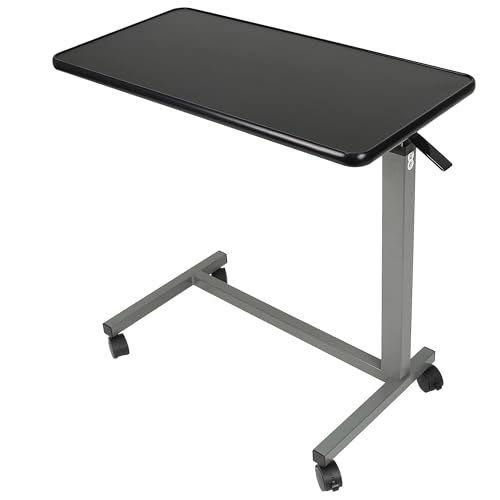
Vaunn Medical Cart Adjustable Overbed Table with Wheels – Rolling Bedside Table for Hospital, Portable Standing Cart & Laptop Desk for Bed, Couch, Wheelchair
Check price on Amazon
Medical king Adjustable Overbed Bedside Table Hospital Table | With Wheels Bed Desk Over Bed With Wheels For Hospital and Home Use
Check price on Amazon
Furist Overbed Table with Wheels, Height Adjustable Hospital Bed Table with Tilting Top, Rolling Bedside Laptop Desk for Home, Hospital, Sofa and Wheelchair Use
Check price on Amazon
Vaunn FSA/HSA Eligible, Medical Adjustable Overbed Exam Bedside Table with Wheels (Hospital and Home Use), New Tabletop, Light Gray
Check price on Amazon
Overbed Table with Wheels & USB,Pneumatic Height Adjustable Bedside Table | Hospital bed table tray,hidden wheels,cup holder,rolling laptop cart,hospital,home use,slim base,under bed,couch,recliner
Check price on Amazon
RMS Overbed Table (XL) - Hospital Bed Table for Home or Medical Use | Adjustable Bed Side Table with Swivel Wheels
Check price on AmazonReady to Improve Comfort and Independence?
A hospital bed table is a small investment that makes a big difference in daily life. Browse our top-rated picks and find the perfect overbed table for your home care setup.
SHOP TOP TABLESCare and Maintenance Tips for Your Hospital Bed Table
To keep your overbed table in great condition:
- Wipe down daily: Use a mild disinfectant or soapy water to clean the surface, especially after meals.
- Check casters: Remove hair and debris from wheels regularly to ensure smooth rolling.
- Lubricate moving parts: Apply a silicone-based lubricant to the height adjustment mechanism every few months.
- Tighten hardware: Check screws and bolts periodically and tighten as needed.
- Avoid overload: Stick to the weight capacity to prevent damage or tipping.
- Store properly: If not in use, lower the table and lock the casters to prevent accidents.
For more furniture care tips, see our guides on nightstand surface cleaning and nightstand care & maintenance.
Final Thoughts: Choosing the Best Hospital Bed Table
A hospital bed table is a practical, compassionate addition to any home care setup. It restores a sense of normalcy for individuals who spend extended time in bed, allowing them to enjoy meals, read, work, and stay connected with greater ease. When choosing, prioritize adjustability, stability, and ease of cleaning. Measure your space carefully, consider the user's specific needs, and don't hesitate to invest in a quality model—it will pay dividends in comfort and convenience.
Whether you're caring for a loved one or setting up your own recovery space, the right overbed table can make a world of difference. Explore our recommended products above and take the first step toward a more comfortable, independent daily routine.