
Adjustable Hospital Bed Table: The Complete Guide for Home & Recovery
Find the perfect overbed table for eating, reading, and working from bed. Expert reviews, sizing tips, and top recommendations for comfort and safety.
VIEW TOP PICKSWhy an Adjustable Hospital Bed Table? Whether you're recovering from surgery, managing a chronic condition, or simply want a more comfortable way to work from bed, an adjustable overbed table provides unmatched convenience. Unlike a standard bedside table without drawers, these tables are designed to move with you—tilting, raising, and lowering to suit your exact needs.
What Is an Adjustable Hospital Bed Table?
An adjustable hospital bed table—also called an overbed table or medical side table—is a specialized piece of furniture designed to provide a stable surface over a bed or chair. Its height and angle can be adjusted, making it ideal for people with limited mobility, those recovering from surgery, or anyone who spends extended periods in bed.
Unlike a traditional small children's bedside table or a standard nightstand, these tables are built for function first. They often feature a C-shaped base that slides under a bed, locking casters for stability, and a tilting tabletop for reading or writing. Some models even include a built-in bedside lamp charging station or cup holders.
Who Needs an Adjustable Overbed Table?
This type of table is invaluable for a wide range of users:
- Post-surgery recovery: Provides a safe place for meals, medication, and laptops without straining.
- Elderly care: Helps maintain independence by bringing essentials within reach.
- Chronic illness management: Ideal for those who spend most of their day in bed.
- Work-from-bed: A comfortable alternative to balancing a laptop on your lap.
- Caregivers: Makes it easier to serve meals and assist with daily tasks.
If you're looking for a more permanent bedside solution, you might also consider a nightstand with a pullout shelf or a medical side table on wheels for added versatility.
Key Features to Look For
Not all adjustable hospital bed tables are created equal. Here are the most important features to consider:
1. Height and Tilt Adjustment
The best tables offer a wide height range (typically 28 to 45 inches) and a tilting tabletop (up to 45 degrees). This allows you to use the table for eating, reading, or using a tablet without neck strain. A gas spring or pneumatic adjustment mechanism is smoother and easier to operate than a manual knob.
2. Base Design and Mobility
Look for a C-shaped base that slides easily under most beds, including adjustable beds and hospital beds. Locking casters are essential for safety—they keep the table steady while in use. Some models, like a couch side table with outlet, offer similar mobility for living room use.
3. Tabletop Surface and Size
Tabletops range from 24 to 36 inches wide. A larger surface is better for meals and laptops, while a smaller one is easier to maneuver in tight spaces. Consider a model with a raised edge to prevent spills from dripping onto your bedding. A bedside table with a stone top offers a more luxurious, durable option for permanent setups.
4. Weight Capacity and Build Quality
Most overbed tables support between 30 and 50 pounds. If you plan to place a heavy monitor or multiple items, choose a model with a higher weight capacity. Steel frames with powder-coated finishes are durable and easy to clean. For a more furniture-like look, a cube side table with storage can blend seamlessly into a bedroom.
5. Additional Features
Some tables come with built-in cup holders, side pockets, or even a nightstand with phone charger functionality. These extras can make a big difference in daily convenience. If you need a table for a high bed, a bedside stool for high beds might be a better alternative for seating, but an overbed table remains the best choice for surface space.
Types of Adjustable Hospital Bed Tables
There are several styles to choose from, each suited to different needs:
- Standard Overbed Table: The most common type, with a C-base and locking casters. Ideal for home care and hospital use.
- Tilt-Top Overbed Table: Features a tabletop that can be angled for reading or writing. Perfect for hobbies and laptop work.
- Non-Tilt Overbed Table: A flat, stable surface best for meals and medication. Often more affordable.
- Bedside Medical Table: A smaller, often wheeled table that can be used beside a bed or chair. Similar to a narrow end table with outlet but designed for medical settings.
- Chair Bed Table: A smaller version designed for use with a recliner or armchair. Often used in dialysis or infusion settings.
Sizing and Fit: What You Need to Know
Before buying, measure your bed and room carefully:
- Bed height: Ensure the table's height range accommodates your mattress height. Most tables fit beds up to 30 inches high.
- Base clearance: The C-base needs to slide under your bed. Check the clearance between your mattress and the floor.
- Room space: Make sure there's enough room to maneuver the table around your bed. If space is tight, consider a space-saving nightstand idea like a wall-mounted shelf.
For those with a high bed, a bedside stool for high beds can complement the table by providing a place to sit while using it.
Materials and Care
Most adjustable hospital bed tables are made from steel or aluminum with a laminate or wood top. To keep yours in top condition:
- Wipe the surface with a damp cloth and mild detergent.
- Avoid harsh chemicals that can damage the finish.
- Check casters and locking mechanisms regularly for debris.
- For wood-topped models, use a nightstand surface cleaning routine to prevent scratches and stains.
If you have a wooden table, a wood sealant guide can help you protect it from spills and wear.
Recommended Adjustable Hospital Bed Tables
⚠️ AFFILIATE DISCLOSURE: This website contains affiliate links. As an affiliate Associate, we earn from qualifying purchases. If you make a purchase through these links, we may receive a small commission at no additional cost to you. Read our full affiliate policy.

Drive Medical Overbed Table with Wheels, Woodgrain Top, Silver Vein | Overbed Table with Wheels Offers Secure Height Adjustment and Smooth Rolling Design for Everyday Comfort
Check price on Amazon
Vaunn Medical Adjustable Overbed Bedside Table with Wheels (Hospital and Home Use)
Check price on Amazon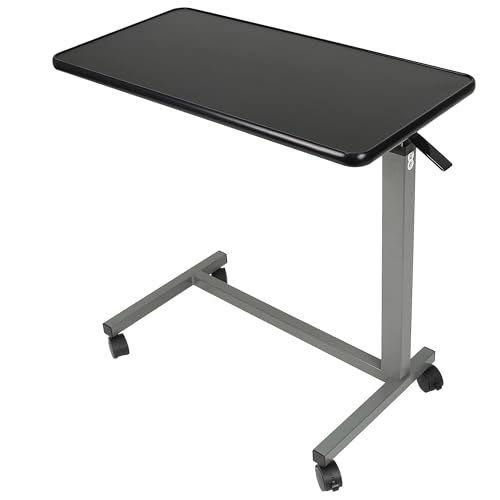
Vaunn Medical Cart Adjustable Overbed Table with Wheels – Rolling Bedside Table for Hospital, Portable Standing Cart & Laptop Desk for Bed, Couch, Wheelchair
Check price on Amazon
Premimax Adjustable Overbed Table with Wheels, Pneumatic Height Lift Rolling Bedside Table, Standing Desk for Home & Office Use, Ideal for Seniors & Limited Mobility(Walnut Brown)
Check price on Amazon
Medical king Adjustable Overbed Bedside Table Hospital Table | With Wheels Bed Desk Over Bed With Wheels For Hospital and Home Use
Check price on Amazon
Furist Overbed Table with Wheels, Height Adjustable Hospital Bed Table with Tilting Top, Rolling Bedside Laptop Desk for Home, Hospital, Sofa and Wheelchair Use
Check price on Amazon
Vaunn FSA/HSA Eligible, Medical Adjustable Overbed Exam Bedside Table with Wheels (Hospital and Home Use), New Tabletop, Light Gray
Check price on Amazon
Drive Medical 13003 Non Tilt Top Overbed Table with Wheels, Chrome | Overbed Table with Wheels Features Non Tilt Chrome Top for Home and Hospital Use and Easy Daily Cleaning
Check price on AmazonHow to Choose the Best Adjustable Hospital Bed Table
With so many options available, here's a step-by-step approach to finding the right table for you:
- Determine Your Primary Use: Meals, reading, working, or all three? This will guide your choice of tilt and surface size.
- Measure Your Space: Check bed height, floor clearance, and room around the bed.
- Set a Budget: Basic models start around $60, while premium models with advanced features can reach $250 or more. A good mid-range table costs between $100 and $180.
- Check Weight Capacity: Ensure it can hold your laptop, books, or medical equipment.
- Read Reviews: Look for feedback on stability, ease of assembly, and durability.
If you're looking for a more permanent bedside solution, consider a nightstand with shelves above or a headboard with bedside tables for a built-in look.
Safety Tips for Using an Overbed Table
- Always lock the casters before placing items on the table.
- Do not exceed the weight limit.
- Keep the table away from the edge of the bed to prevent tipping.
- Ensure the table is stable before leaning on it.
- For those with limited mobility, consider a table with a reading lamp attached to bed for added convenience.
Frequently Asked Questions
Can I use an adjustable hospital bed table with a regular bed?
Yes, most overbed tables are designed to work with any bed, as long as there is enough clearance for the C-base. Just measure your bed height and floor clearance first.
What is the weight limit for most overbed tables?
Most tables support between 30 and 50 pounds. Some heavy-duty models can hold up to 75 pounds.
Are overbed tables easy to assemble?
Most require minimal assembly, usually just attaching the base to the column and tabletop. Look for models that come already assembled if you want to avoid setup altogether.
Can I use an overbed table for a recliner?
Yes, many people use overbed tables with recliners. Just ensure the base fits under the chair and the height range is suitable.
How do I clean and maintain my overbed table?
Wipe it down with a damp cloth and mild soap. For wooden tops, use a nightstand surface cleaning routine and avoid excess moisture.
Final Thoughts: An adjustable hospital bed table is a small investment that can dramatically improve comfort and independence for anyone spending extended time in bed. By considering your specific needs, measuring your space, and choosing a quality model, you'll find a table that serves you well for years to come. Ready to find your perfect match? Check out our top recommendations above.